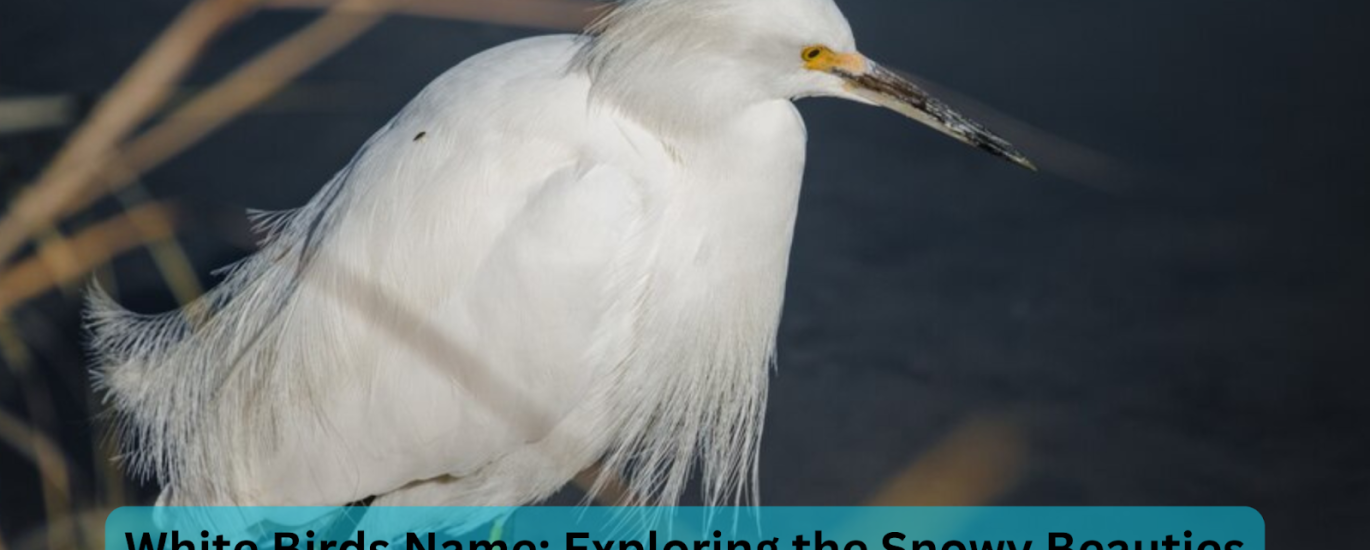
White birds have always captured the fascination of bird watchers and nature enthusiasts alike. Their pristine plumage, often symbolizing purity and elegance, makes them stand out in diverse habitats. Identifying these birds not only adds to the joy of birdwatching but also helps in understanding the rich biodiversity they represent.
White Birds Names and Descriptions
1. Great Egret
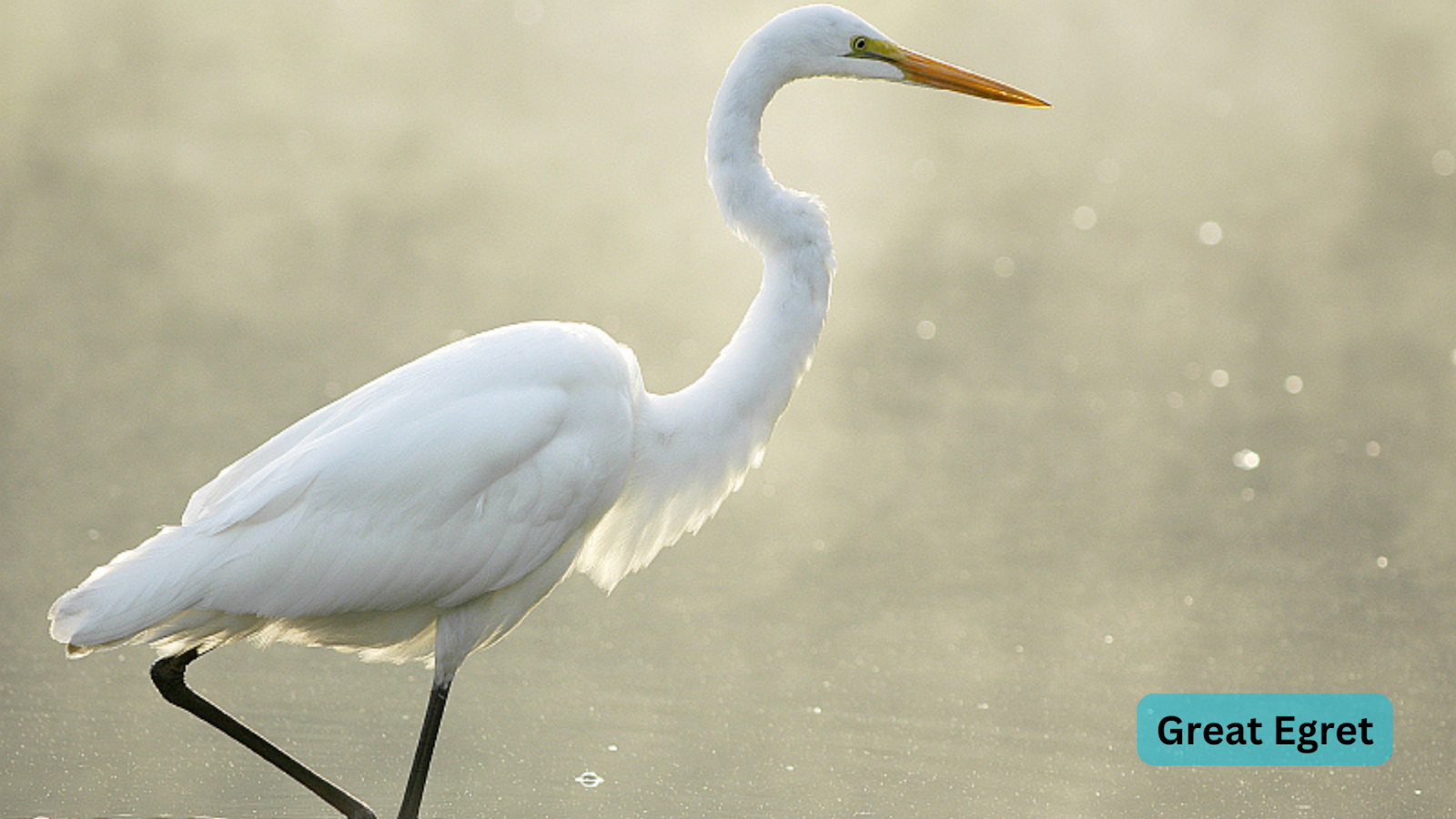
The Great Egret is an impressive sight in wetlands and along coastal regions. With its entirely white body, bright yellow beak, and black legs, it is easy to identify. This bird is native to South America but is frequently spotted in the southern United States, particularly in Florida. The Great Egret is known for its elegant hunting style, foraging in standing water and swiftly striking at prey with its sharp beak. These birds can often be seen flying between wetland areas with their long, slender necks tucked in.
| Feature | Description |
| Scientific Name | Ardea alba |
| Length | 37-41 inches |
| Wingspan | 52-67 inches |
| Habitat | Wetlands, ponds, coastal areas |
| Range | South America, Southern US |
2. American White Pelican
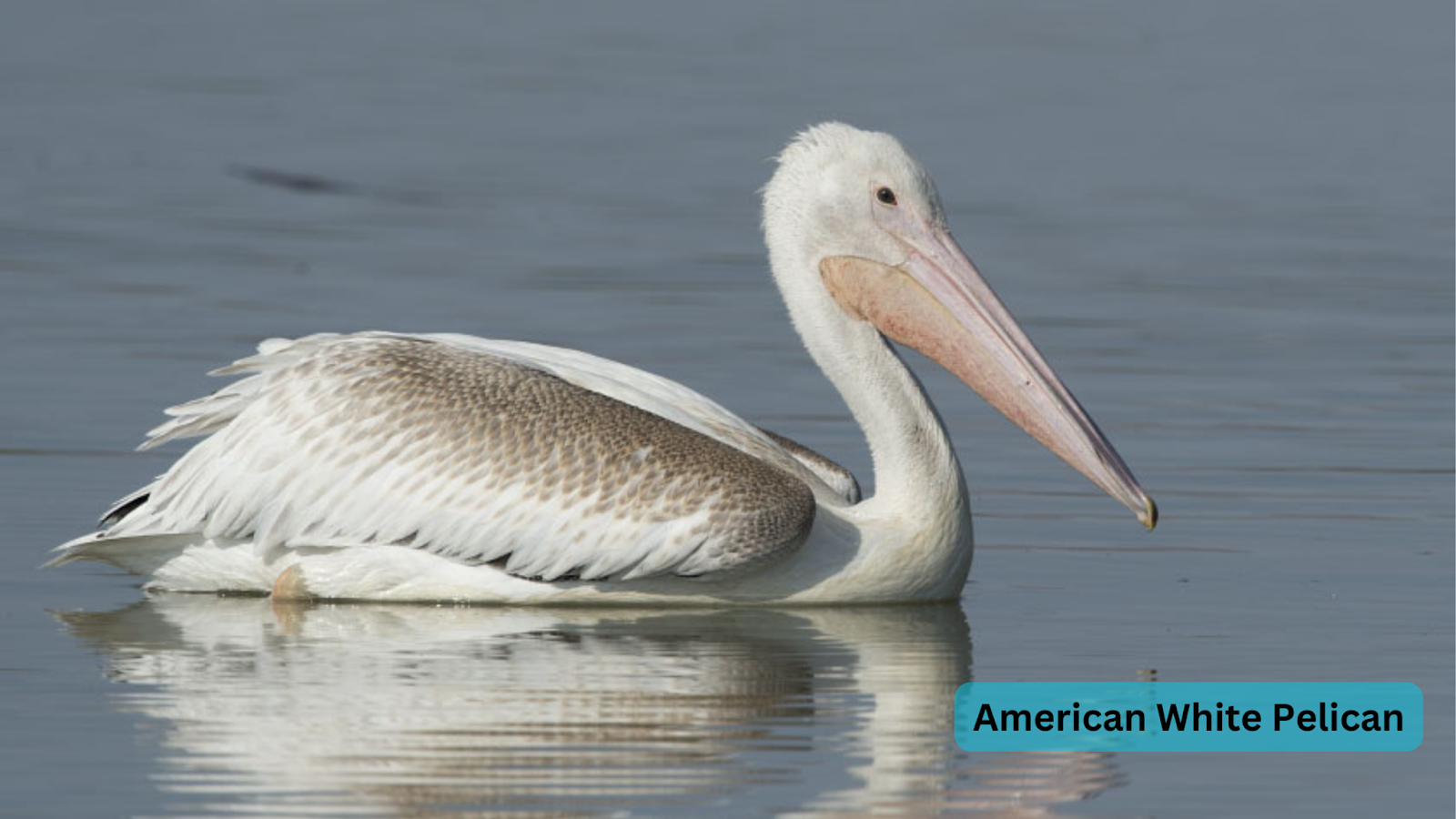
The American White Pelican is one of the largest white birds, with a wingspan reaching up to 9 feet. Found in the inland regions of the United States and Canada, these pelicans prefer shallow marshes, lakes, and coastal bays during the winter. They are easily recognized by their large white bodies and black-tipped wings. They are unique in their feeding habits. Unlike other pelicans, they do not plunge for fish. Instead, they work together to herd fish into shallow waters where they can easily scoop them up.
| Feature | Description |
| Scientific Name | Pelecanus erythrorhynchos |
| Length | 50-70 inches |
| Wingspan | 8-9 feet |
| Habitat | Marshes, lakes, coastal bays |
| Range | US inland regions, Canada |
3. Trumpeter Swan
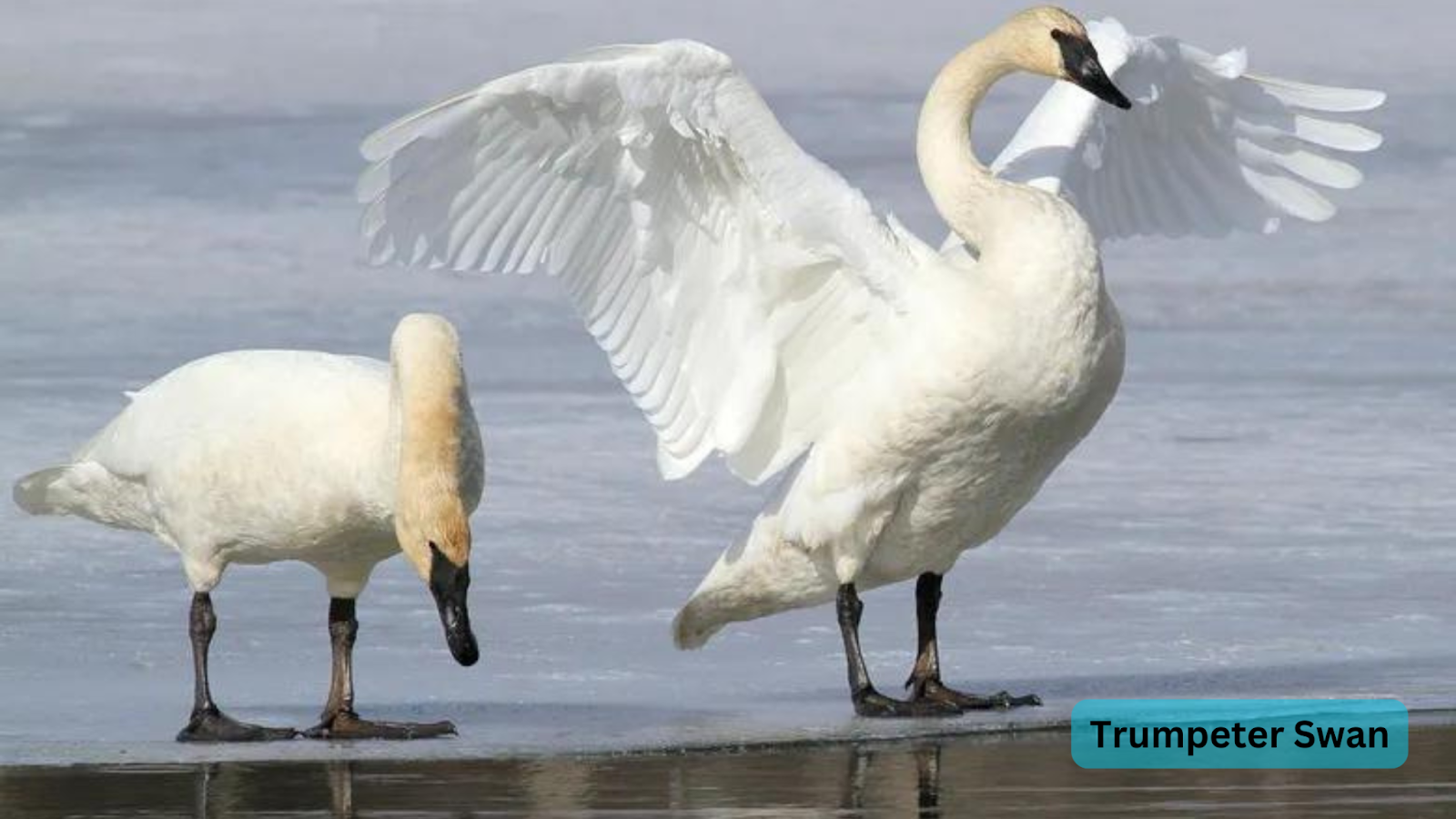
The Trumpeter Swan is another majestic white bird known for its impressive size and trumpet-like call. These swans are found in the wetlands and rivers of northern and central North America, including the Great Lakes and the Pacific Northwest. They are characterized by their all-white plumage and straight black bill. they build their nests near water, using materials like aquatic plants and grasses. During the winter, they feed on roots, leaves, and stems of aquatic plants, while their young primarily consume small invertebrates and insects.
| Feature | Description |
| Scientific Name | Cygnus buccinator |
| Length | 54-65 inches |
| Wingspan | 6-8 feet |
| Habitat | Wetlands, rivers, lakes |
| Range | Northern and Central US, Canada, Alaska |
4. Snowy Owl
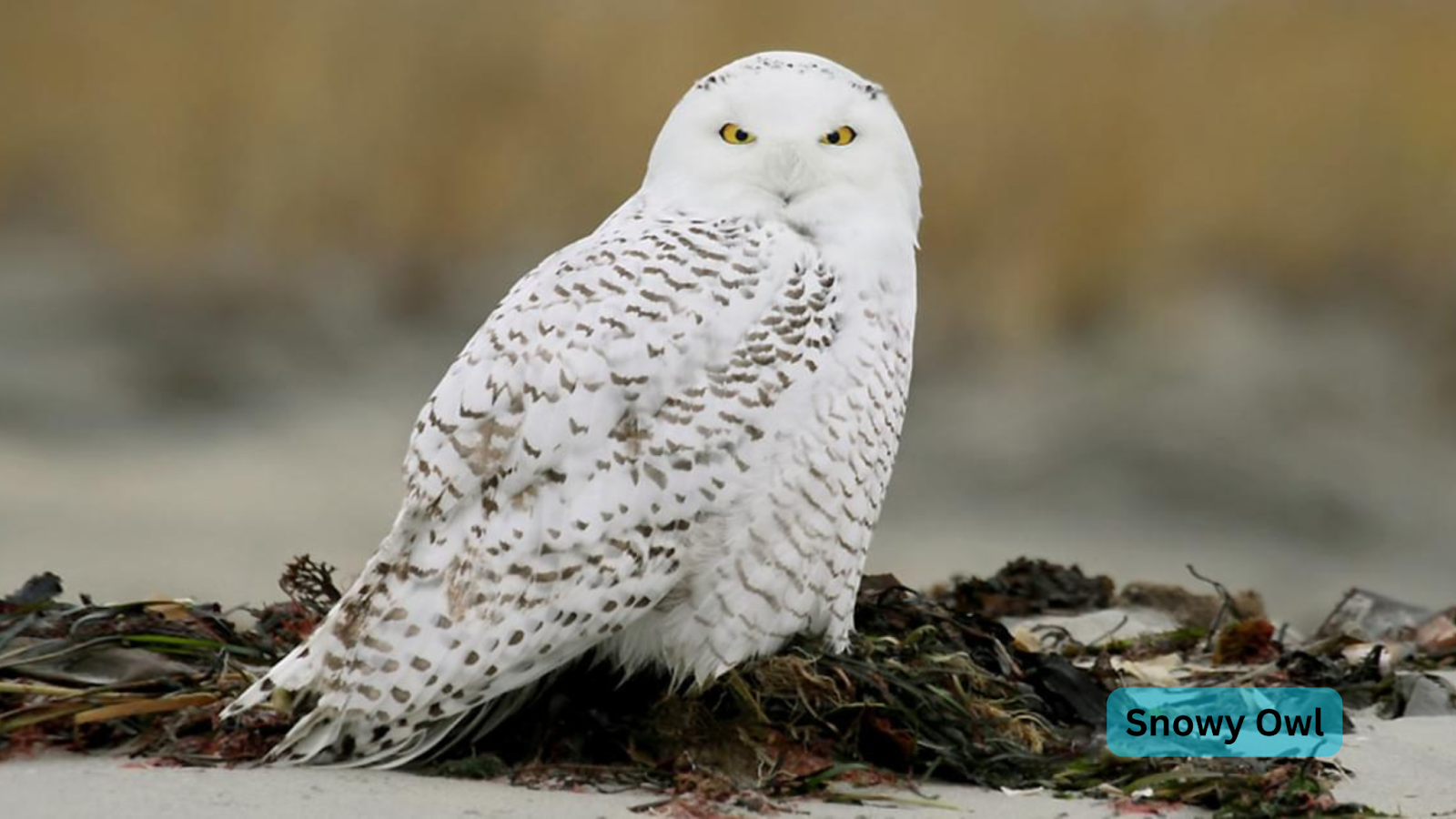
The Snowy Owl is one of the most striking white birds name, known for its beautiful white feathers and piercing yellow eyes. Males are almost completely white, while females have dark barring on their bodies. These owls are native to the Arctic tundra but migrate to parts of North America during the winter. They are excellent hunters, feeding on lemmings and other small mammals. Their ability to blend into the snowy landscape helps them ambush prey effectively.
| Feature | Description |
| Scientific Name | Bubo scandiacus |
| Length | 20-27 inches |
| Wingspan | 4.2-4.8 feet |
| Habitat | Arctic tundra, open fields |
| Range | Arctic regions, North America |
5. Tundra Swan
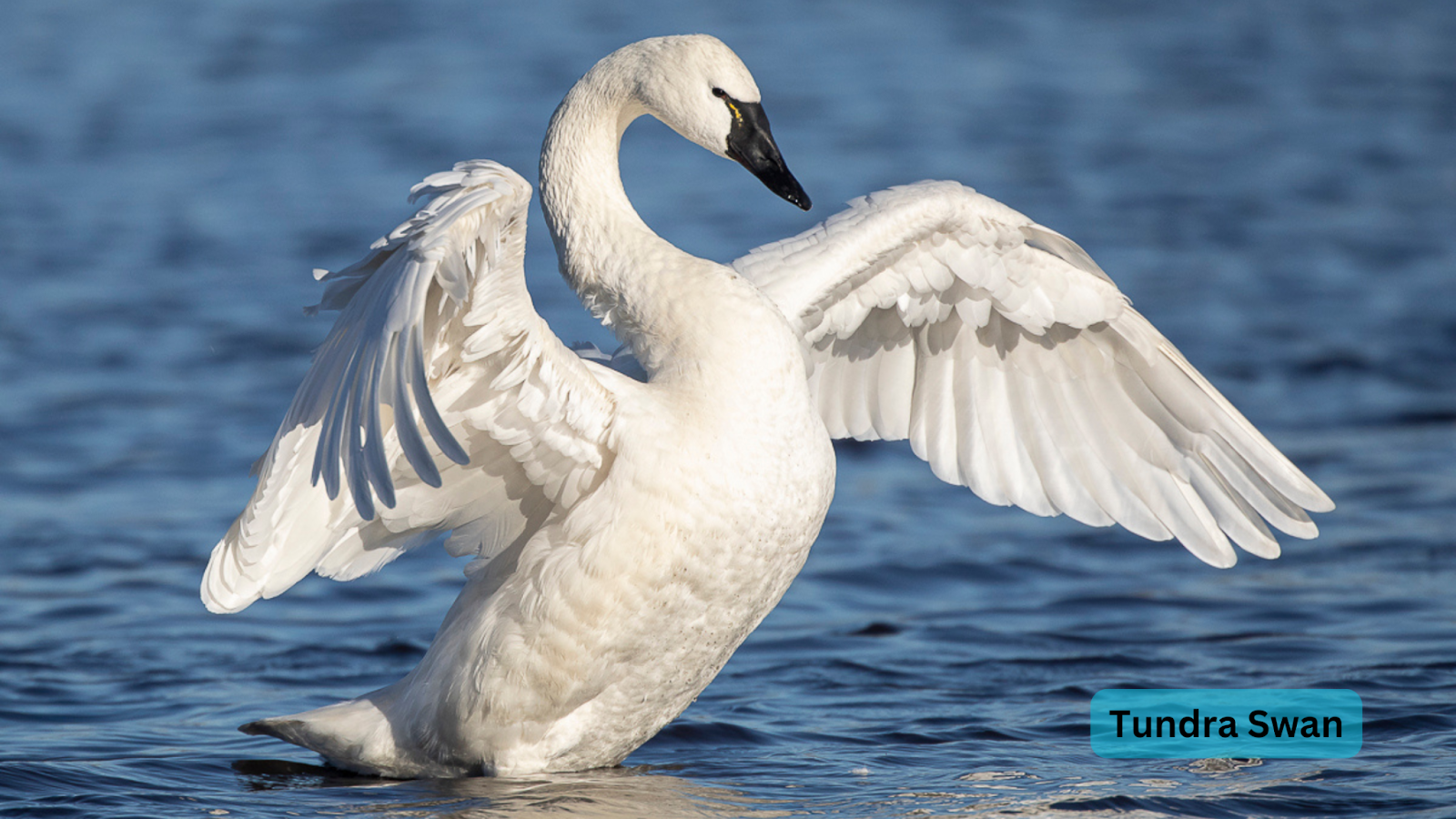
The Tundra Swan is another beautiful white bird commonly found in the Arctic regions and North America. These swans are easily recognized by their all-white plumage and black beak with a yellow spot at the base. They prefer nesting sites near water bodies in the Arctic tundra. They feed mainly on aquatic plants, but they also consume worms, arthropods, and shellfish. Their mound-shaped nests are built with moss, tundra plants, and grasses.
| Feature | Description |
| Scientific Name | Cygnus columbianus |
| Length | 45-59 inches |
| Wingspan | 5-7 feet |
| Habitat | Shallow lakes, estuaries |
| Range | Arctic regions, North America |
6. Ivory Gull
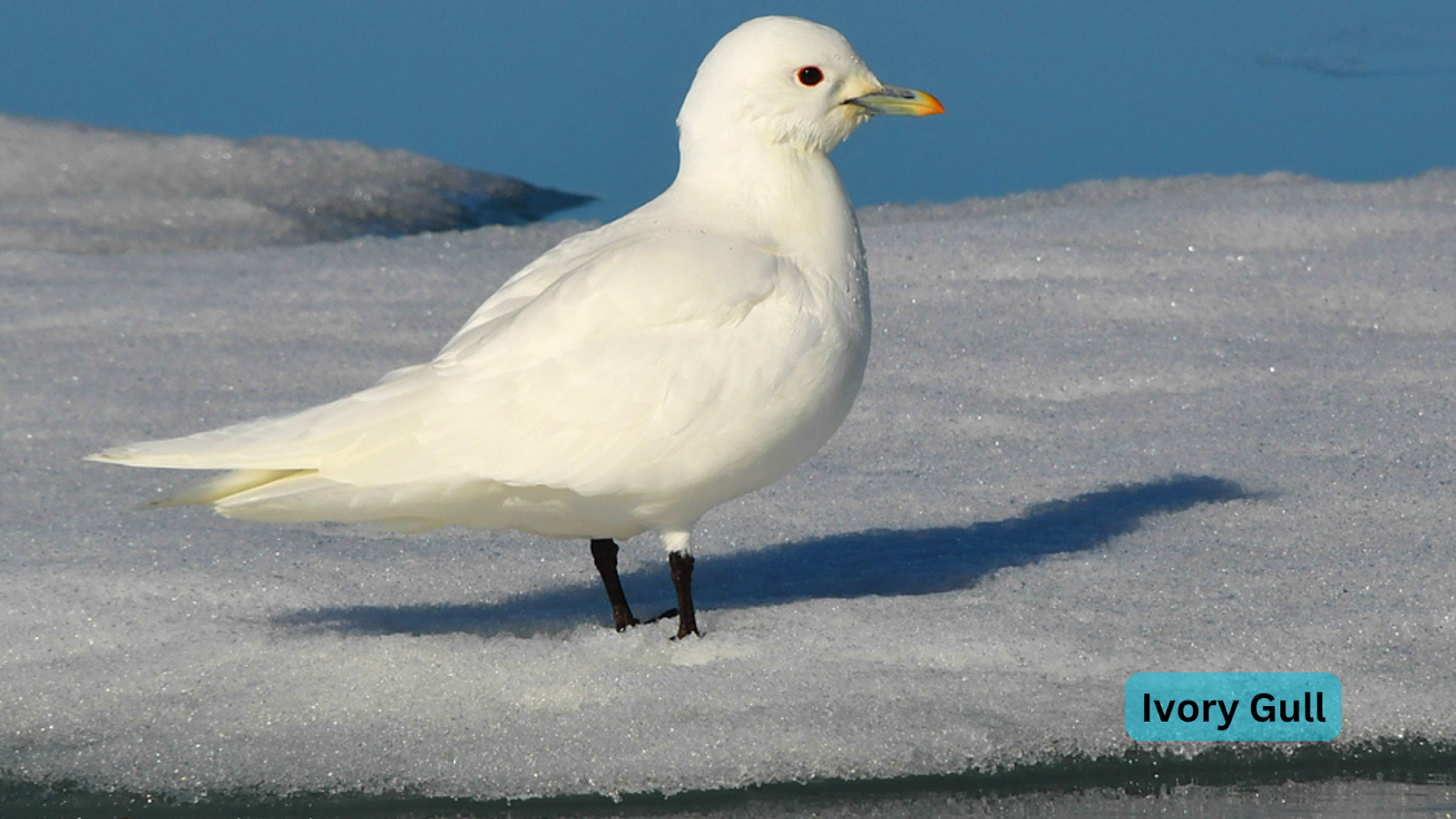
The Ivory Gull is a stunning bird that inhabits the high Arctic regions. These gulls are entirely white except for their black legs and bill, making them stand out against the icy landscapes they call home. They are migratory, breeding in the Canadian Arctic and moving slightly south during the autumn. They feed primarily on fish, crustaceans, and small mammals. Their diet also includes eggs and chicks of other birds, making them opportunistic feeders in their harsh environment.
| Feature | Description |
| Scientific Name | Pagophila eburnea |
| Length | 15.8-16.9 inches |
| Wingspan | 42.5-47.2 inches |
| Habitat | High Arctic |
| Range | North America, Greenland, Europe, Asia |
7. White Ibis
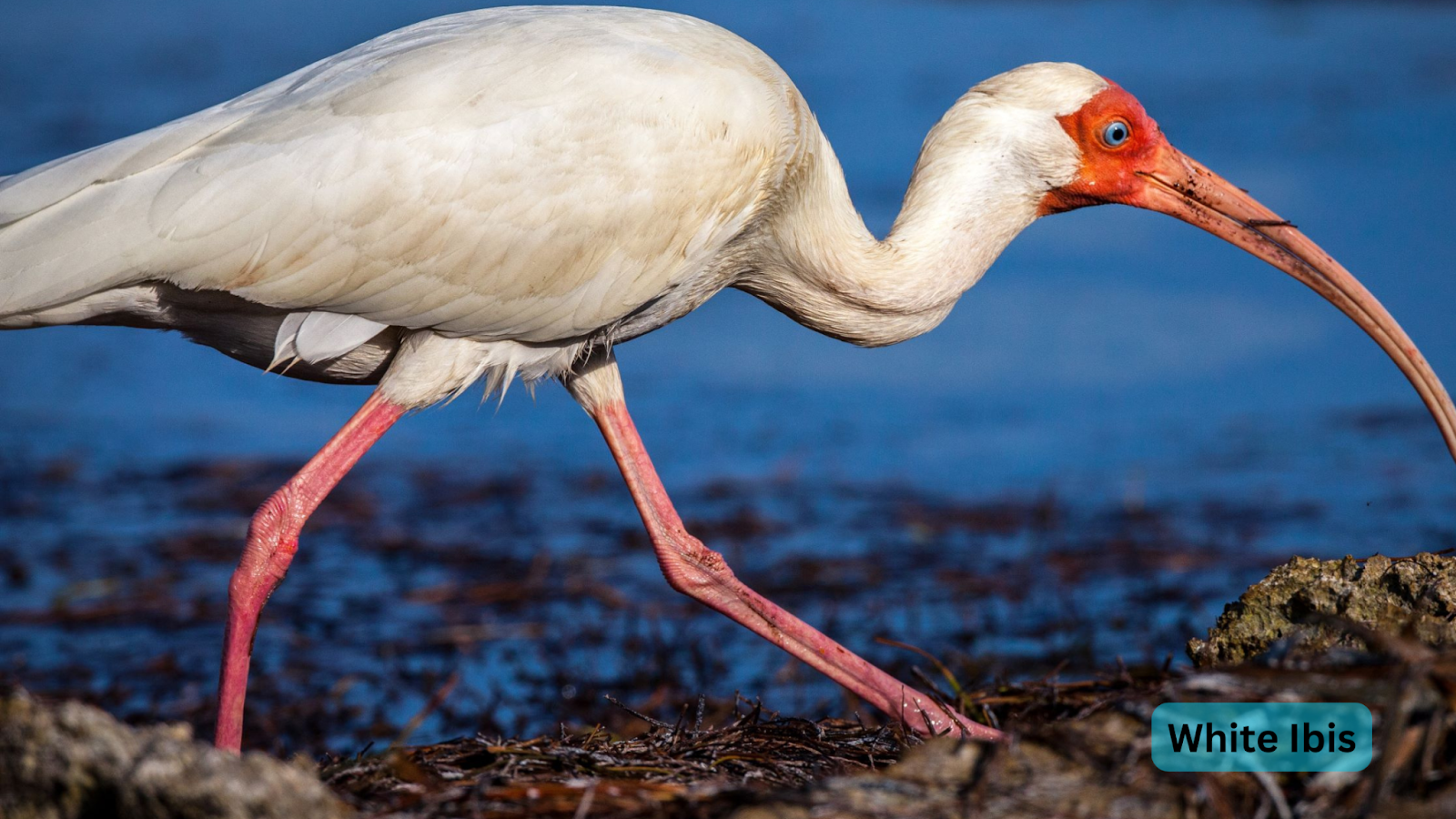
The White Ibis is a distinctive bird found along the southern coasts of the United States, the Caribbean, and coastal Mexico. They have white bodies with pink legs and a downward-curved pink bill, which they use to forage in mud and wet sand. They are often seen in wetlands and coastal areas, probing the soft substrate for invertebrates and small aquatic animals. Their social behavior makes them a common sight in flocks.
| Feature | Description |
| Scientific Name | Eudocimus albus |
| Length | 22-27 inches |
| Wingspan | 36-41 inches |
| Habitat | Wetlands, marshes, coastal areas |
| Range | Southern US, Caribbean, Mexico |
8. Snow Goose
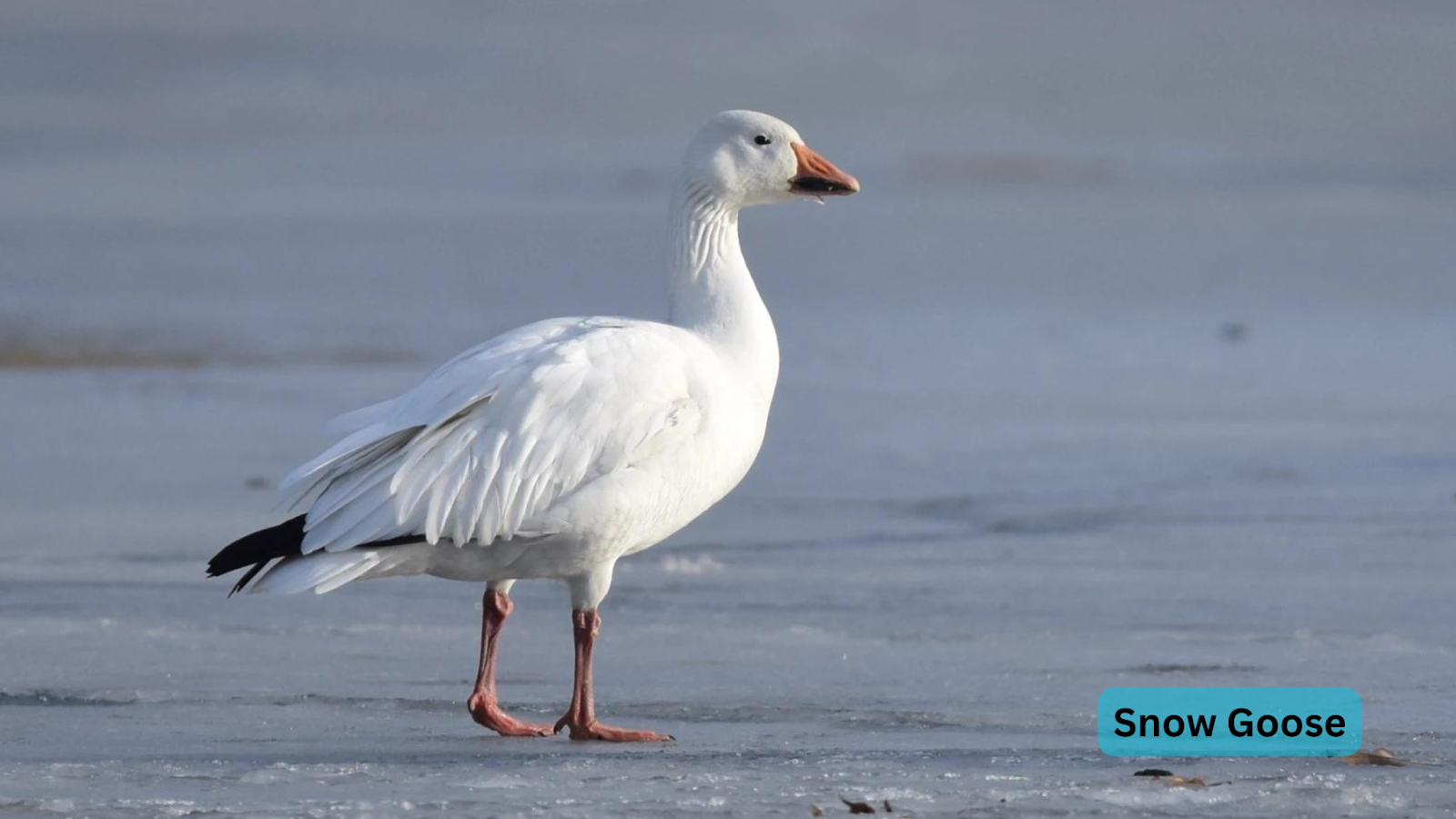
The Snow Goose is well known for its impressive migrations and the striking white coloration of one of its color morphs. These geese are found in the Arctic tundra during the breeding season and migrate to warmer parts of North America for the winter. They often forage in fields, consuming leftover grains and plants. Their populations have increased significantly in recent decades, making them more widespread in their wintering areas.
| Feature | Description |
| Scientific Name | Anser caerulescens |
| Length | 29-31 inches |
| Wingspan | 54-65 inches |
| Habitat | Coastal areas, agricultural fields |
| Range | Greenland, Canada, Alaska, North America |
9. White Tern
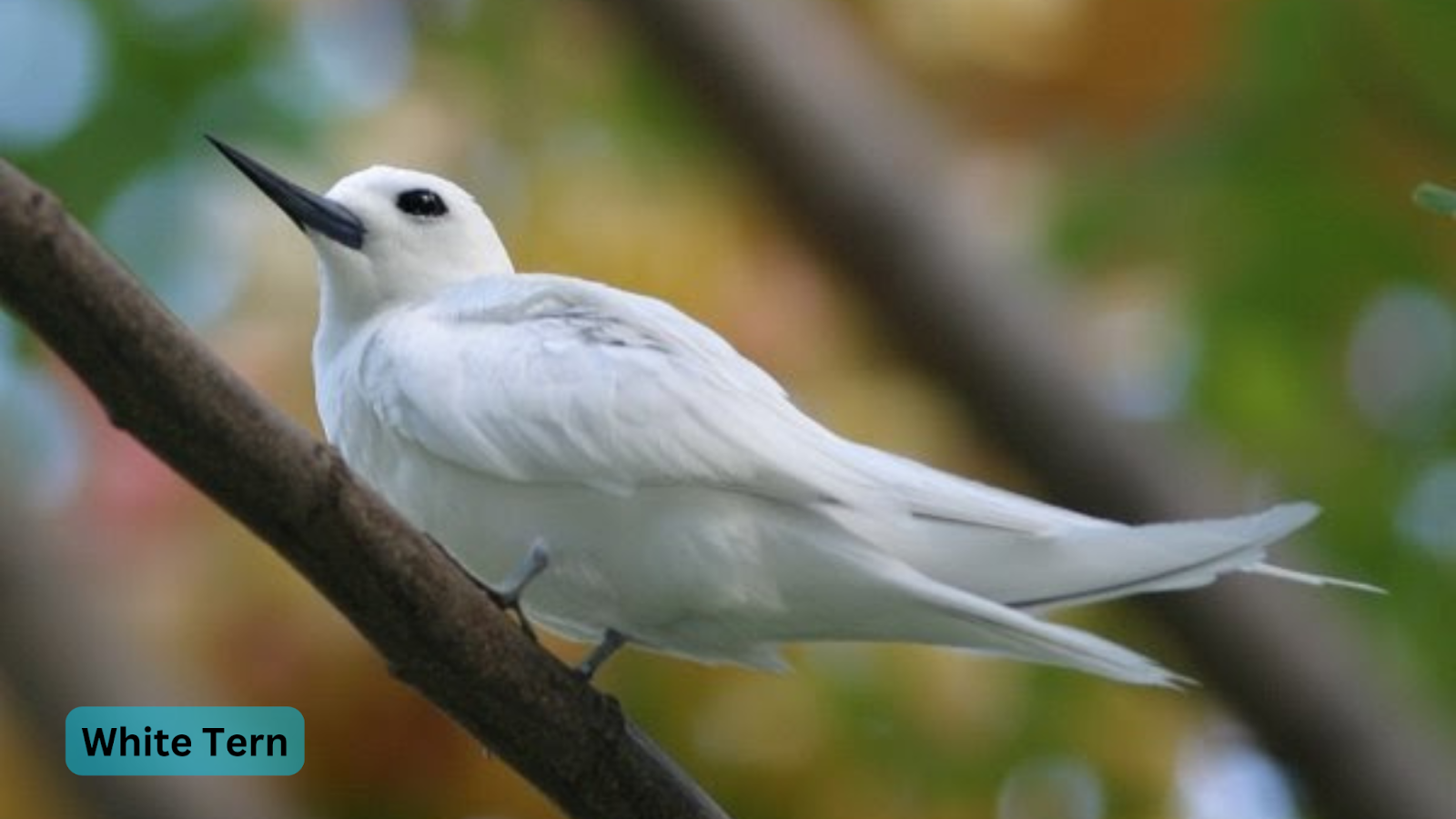
The White Tern also known as the fairy tern or angel tern, is a small, entirely white bird found near coastal regions and wooded areas. They have a distinct appearance with black eyes and bill, contrasting sharply with their pure white feathers. They feed on small fish and are often seen near coastal waters. Their ethereal appearance and gentle behavior have earned them numerous affectionate nicknames.
| Feature | Description |
| Scientific Name | Gygis alba |
| Length | 8.3-9.1 inches |
| Wingspan | 30-34 inches |
| Habitat | Coastal areas, wooded regions |
| Range | Chile, Colombia, New Zealand, Asia |
10. Snowy Egret
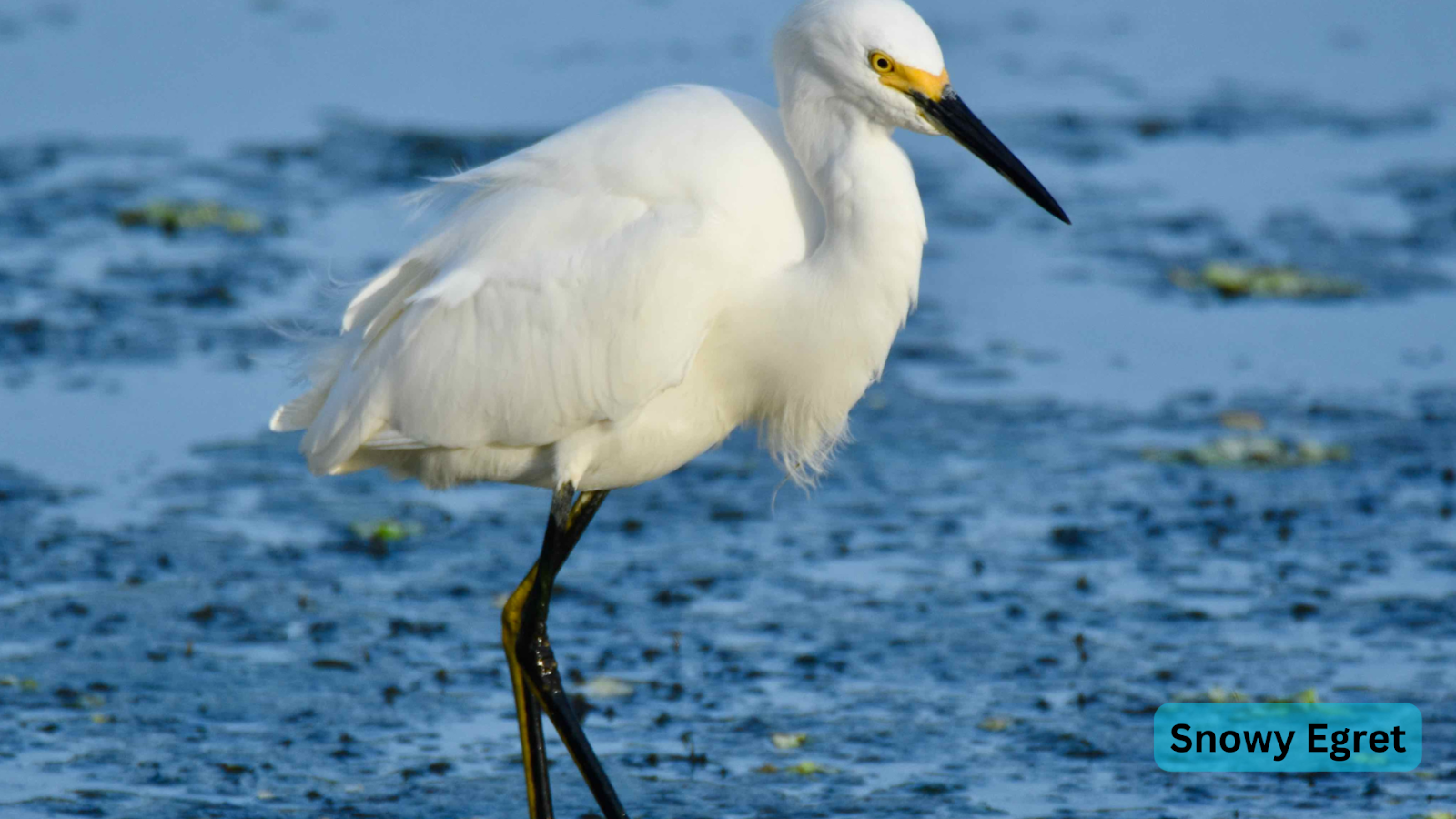
The Snowy Egret is a smaller relative of the Great Egret, known for its graceful appearance and active hunting style. These birds have entirely white plumage, yellow feet, and a slender black bill. They are found in wetlands and coastal regions across the Americas. They are agile hunters, often seen darting through shallow waters to catch fish and other small aquatic creatures. During the breeding season, they develop long, wispy plumes on their backs, necks, and heads.
| Feature | Description |
| Scientific Name | Egretta thula |
| Length | 22-26 inches |
| Wingspan | 39-41 inches |
| Habitat | Wetlands, coastal areas |
| Range | Americas, particularly the southern US and Mexico |
11. Whooper Swan
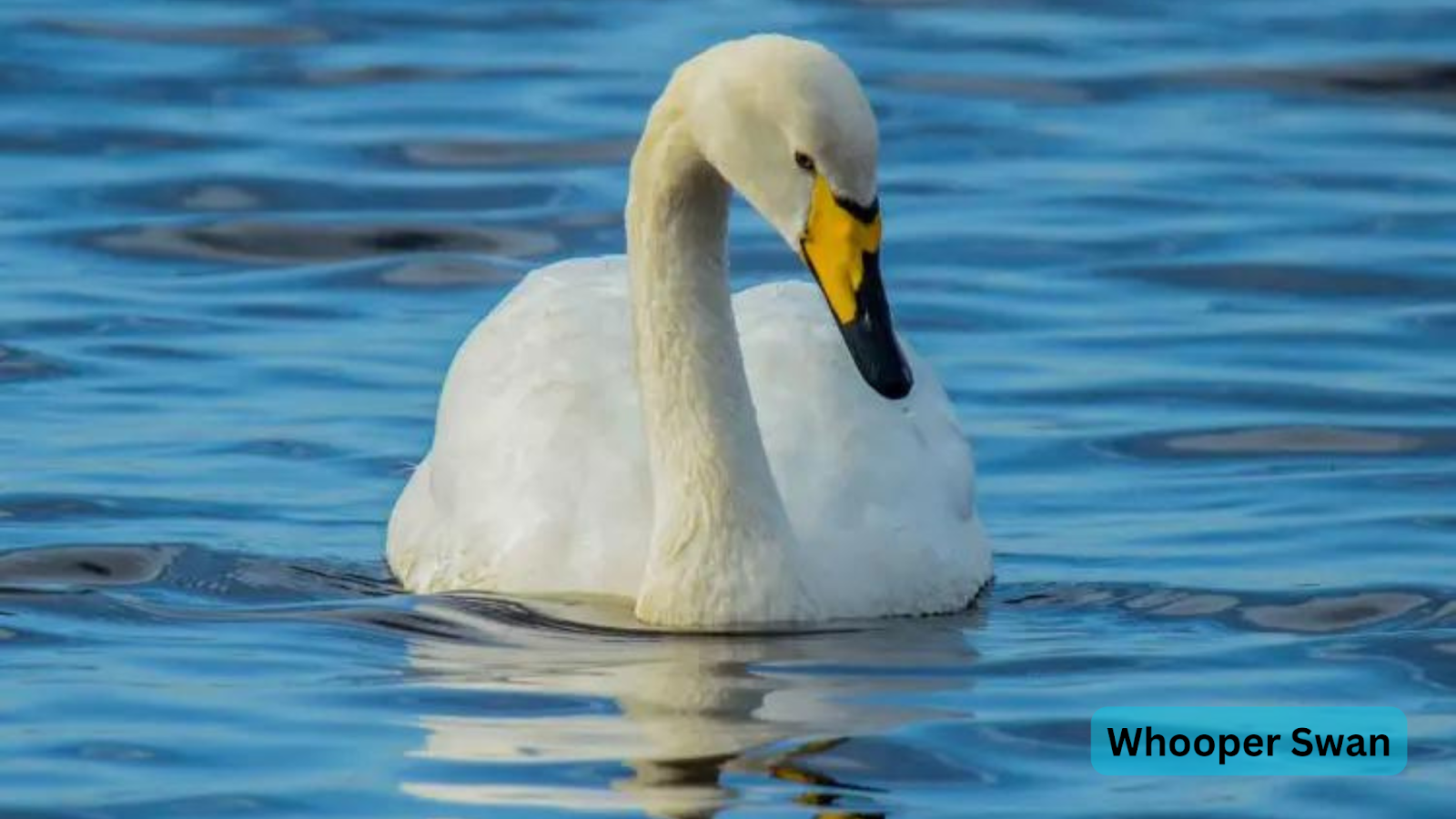
The Whooper Swan is one of the largest swans, distinguished by its impressive size and trumpet-like calls. These birds are native to the northern parts of Europe and Asia and are recognized for their long necks and striking white plumage. They are known for their powerful flight, often seen at high altitudes during migration. They build nests near water bodies, using reeds and grasses to create large, sturdy structures.
| Feature | Description |
| Scientific Name | Cygnus cygnus |
| Length | 55-65 inches |
| Wingspan | 81-93 inches |
| Habitat | Wetlands, lakes, rivers |
| Range | Northern Europe, Asia |
12. Mute Swan
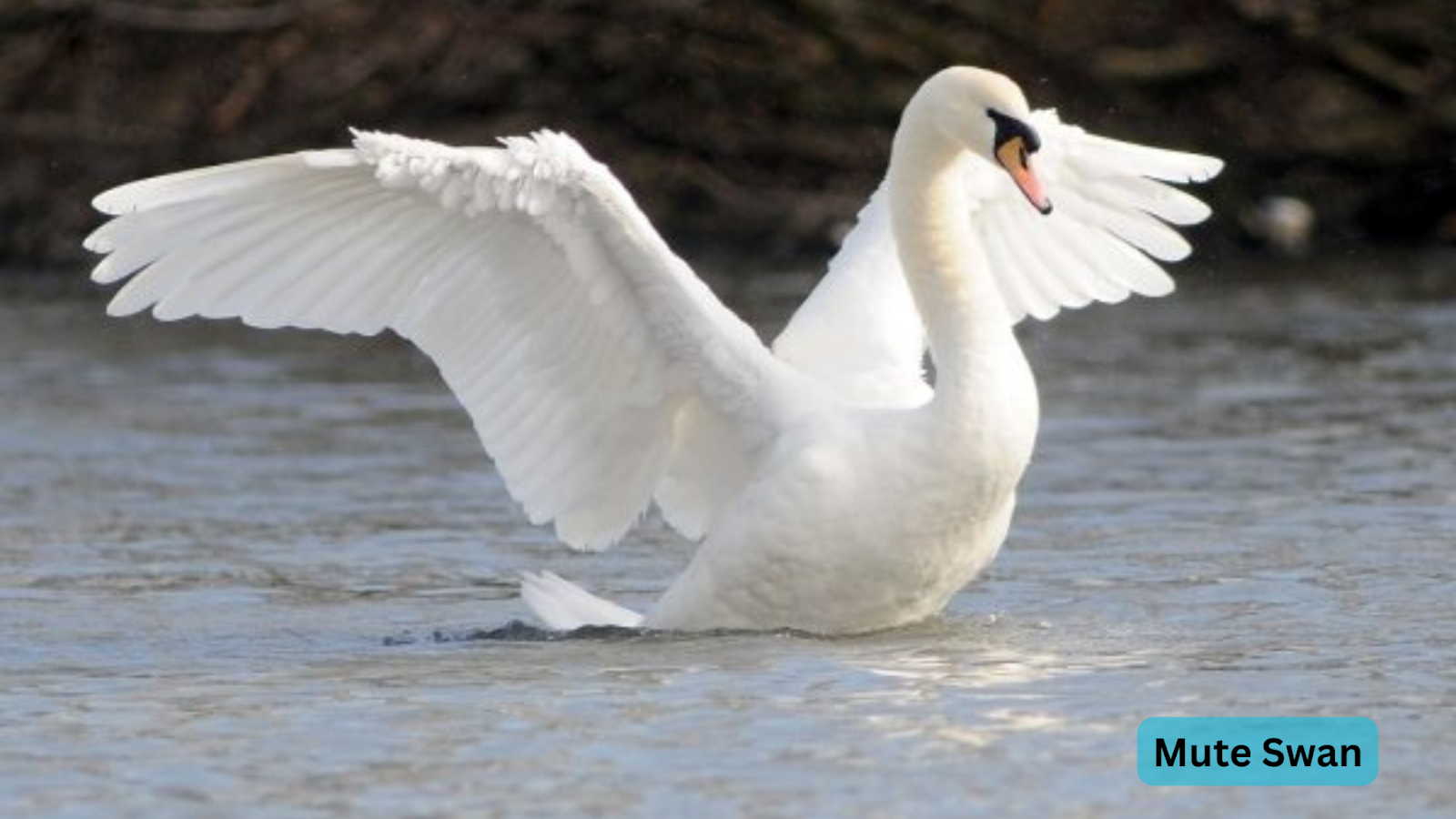
The Mute Swan is known for its elegant appearance and graceful movements. It is native to Europe and parts of Asia but has been introduced to other regions, including North America. These swans have pure white plumage, an S-shaped neck, and a distinctive orange bill with a black knob at the base. They feed primarily on aquatic plants, algae, and small invertebrates. They are known for their strong pair bonds, with males and females forming lifelong partnerships. Their beauty and serene presence make them popular in literature and folklore.
| Feature | Description |
| Scientific Name | Cygnus olor |
| Length | 49-67 inches |
| Wingspan | 79-94 inches |
| Habitat | Lakes, ponds, slow-moving rivers |
| Range | Europe, Asia, North America |
13. Ring-billed Gull
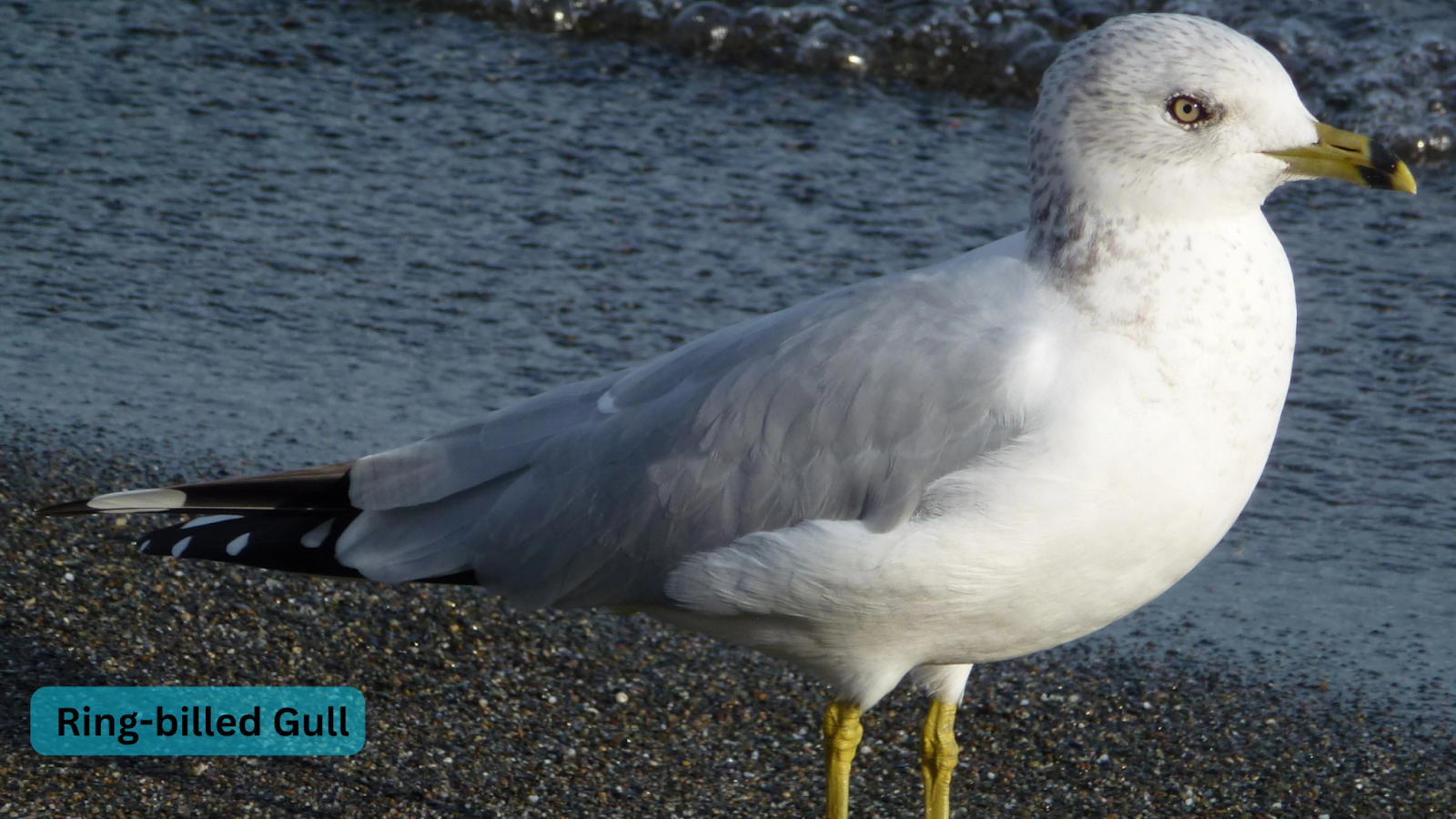
The Ring-billed Gull is commonly found in North America, particularly around large lakes and reservoirs. These gulls are nearly entirely white with light grey upper parts and black wing tips. They have a distinctive ring around their yellow bill. They are versatile feeders, often seen foraging in parks, landfills, and golf courses. They are known for their loud calls and social behavior, frequently forming large flocks.
| Feature | Description |
| Scientific Name | Larus delawarensis |
| Length | 17-21 inches |
| Wingspan | 41-46 inches |
| Habitat | Lakes, reservoirs, coastal areas |
| Range | North America |
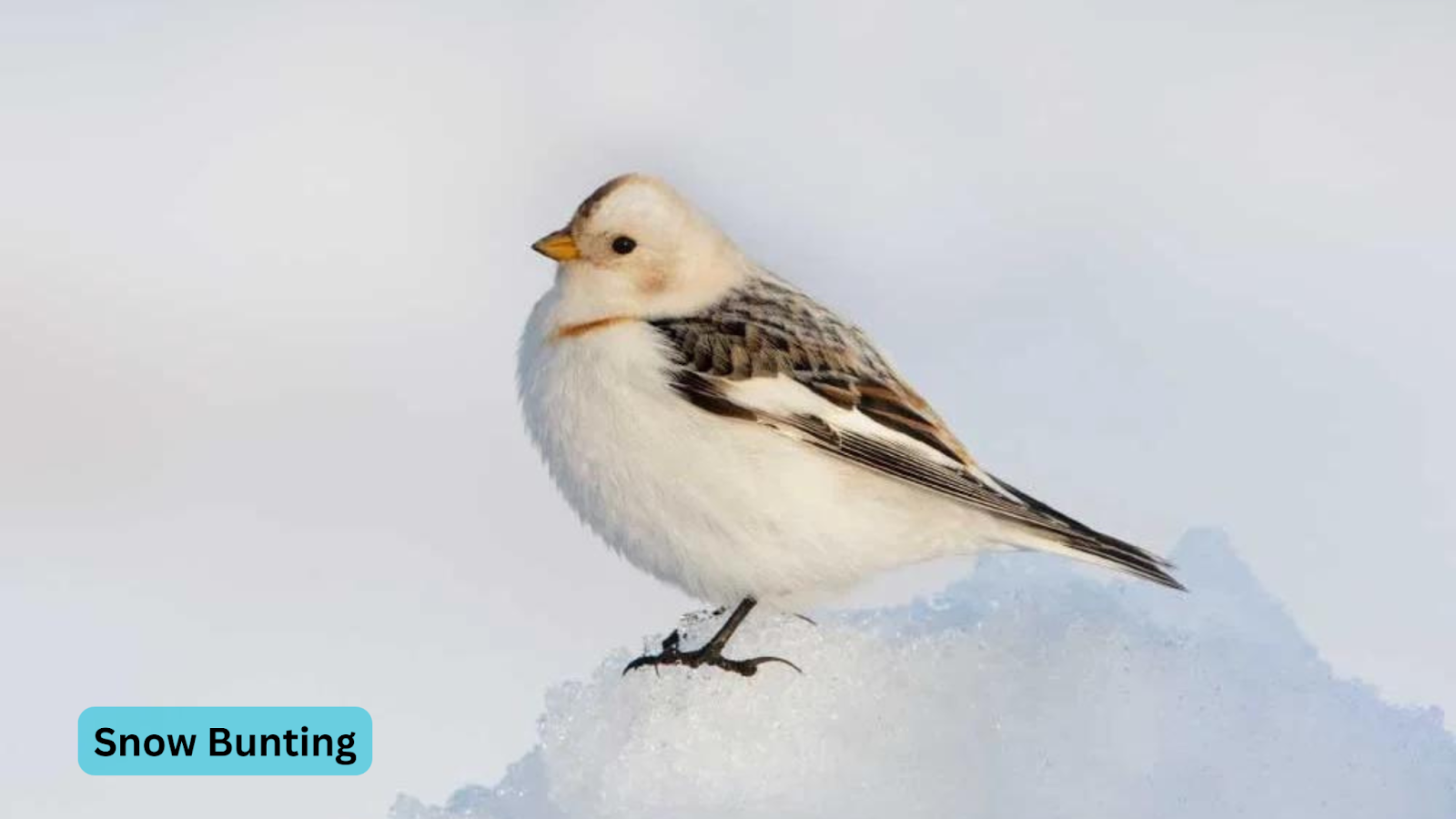
14. Snow Bunting
The Snow Bunting is a small bird with striking white and black plumage during the breeding season. These birds breed in the Arctic and migrate to more temperate regions during the winter. They forage on the ground, searching for seeds and insects. Their ability to blend into snowy landscapes makes them well-adapted to their harsh environments.
| Feature | Description |
| Scientific Name | Plectrophenax nivalis |
| Length | 5.5-6.7 inches |
| Wingspan | 11-12 inches |
| Habitat | Arctic tundra, fields, shores |
| Range | Arctic, North America, Eurasia |
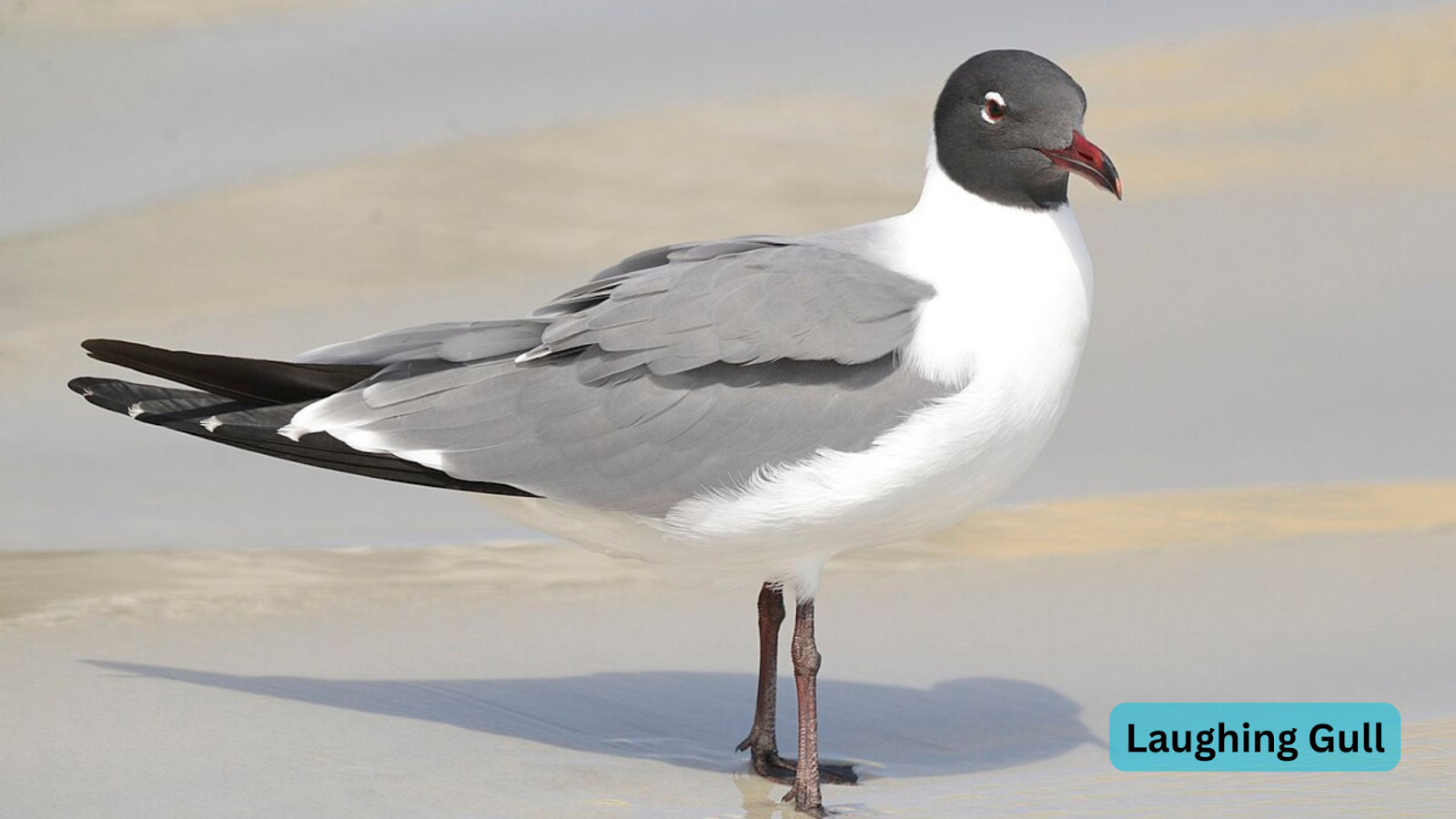
15. Laughing Gull
The Laughing Gull is easily recognizable by its black head and loud, human-like call. These gulls are found along the coasts of North and South America and are known for their distinctive vocalizations. They have a grey upper body with a white underside and dark red legs and bill. They are often seen foraging along beaches and mud flats, feeding on small fish and invertebrates.
| Feature | Description |
| Scientific Name | Haliaeetus leucogaster |
| Length | 26-31 inches |
| Wingspan | 70-85 inches |
| Habitat | Coastal areas, rivers, lakes |
| Range | Asia, Australia |
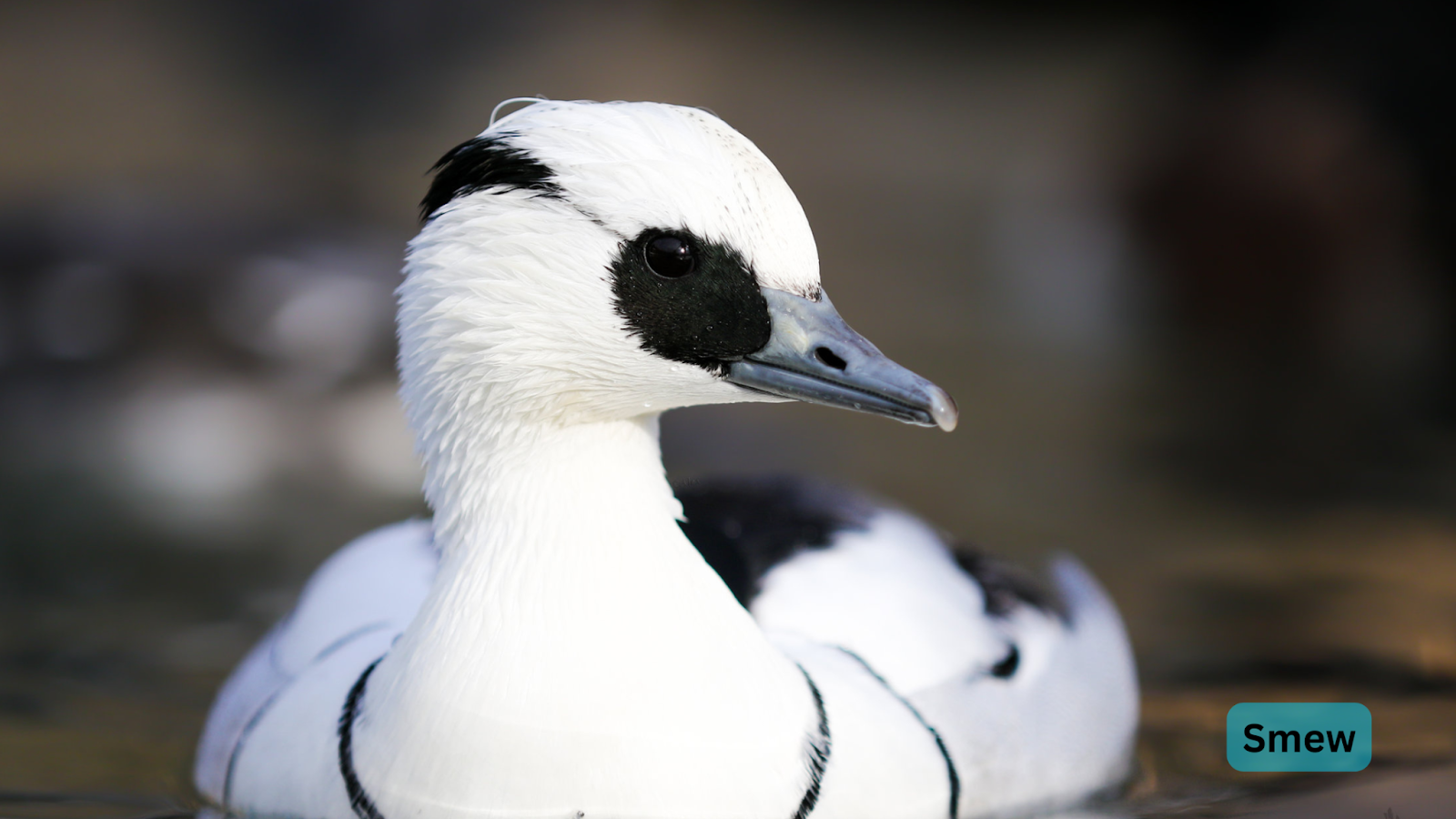
16. Smew
The Smew is a small duck found in Europe and Asia. Males are notable for their striking white plumage with black markings, while females and juveniles are grey. They are omnivorous, feeding on aquatic plants, small fish, and invertebrates. They are often seen diving for their food in freshwater habitats.
| Feature | Description |
| Scientific Name | Mergellus albellus |
| Length | 15-17 inches |
| Wingspan | 22-27 inches |
| Habitat | Lakes, rivers, freshwater bodies |
| Range | Europe, Asia |
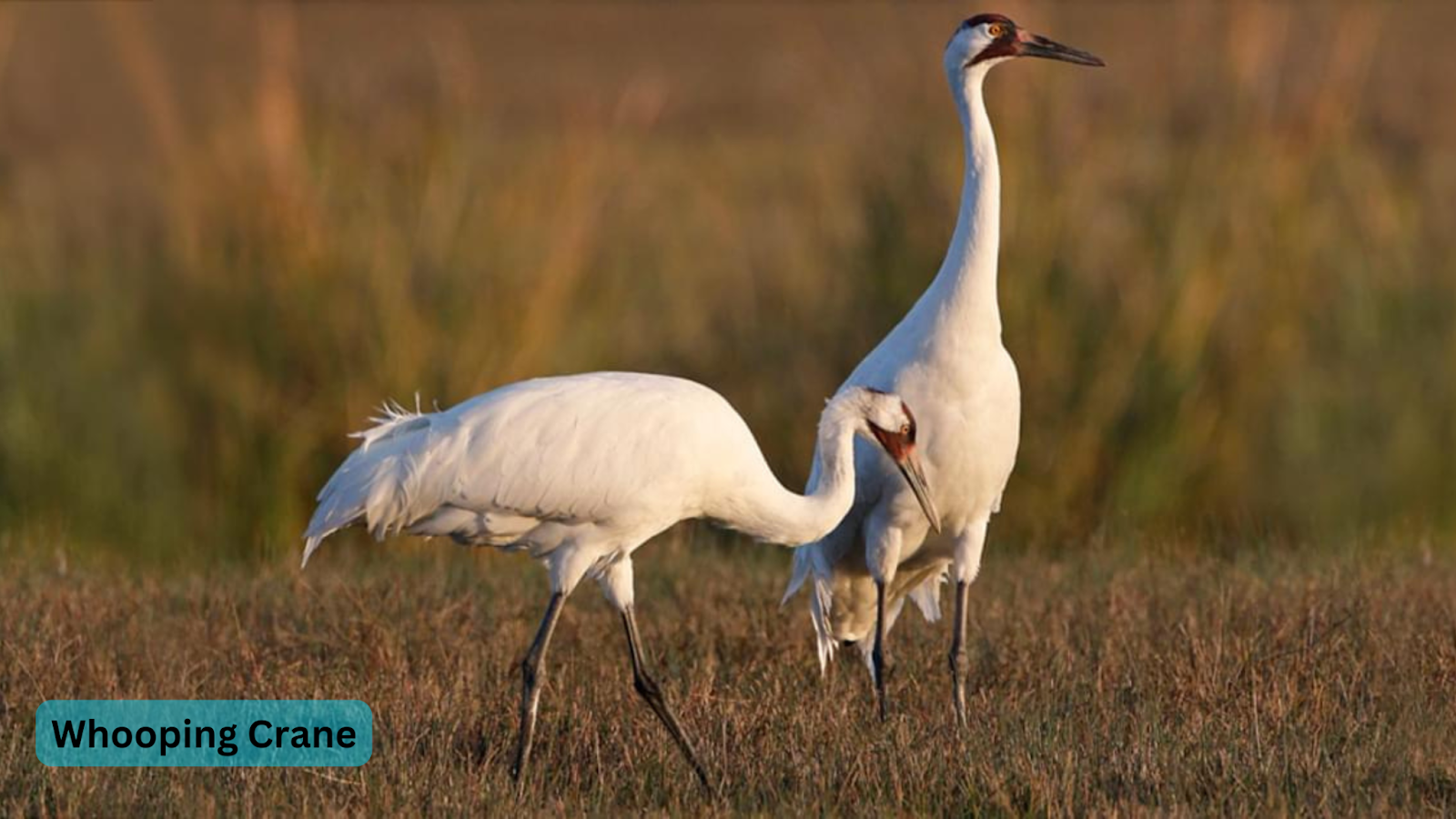
17. Whooping Crane
The whooping crane (Grus americana) is one of the tallest birds in North America and is known for its distinctive whooping call. These cranes are easily recognized by their entirely white bodies, except for black wingtips and a red crown. They are critically endangered, with ongoing conservation efforts to protect their populations. They primarily feed on aquatic invertebrates, small fish, and plant material. Their elaborate courtship dances and impressive migrations are well-known behaviors that draw significant attention from bird watchers and conservationists.
| Feature | Description |
| Scientific Name | Grus americana |
| Length | 52 inches |
| Wingspan | 87 inches |
| Habitat | Wetlands, marshes |
| Range | North America |
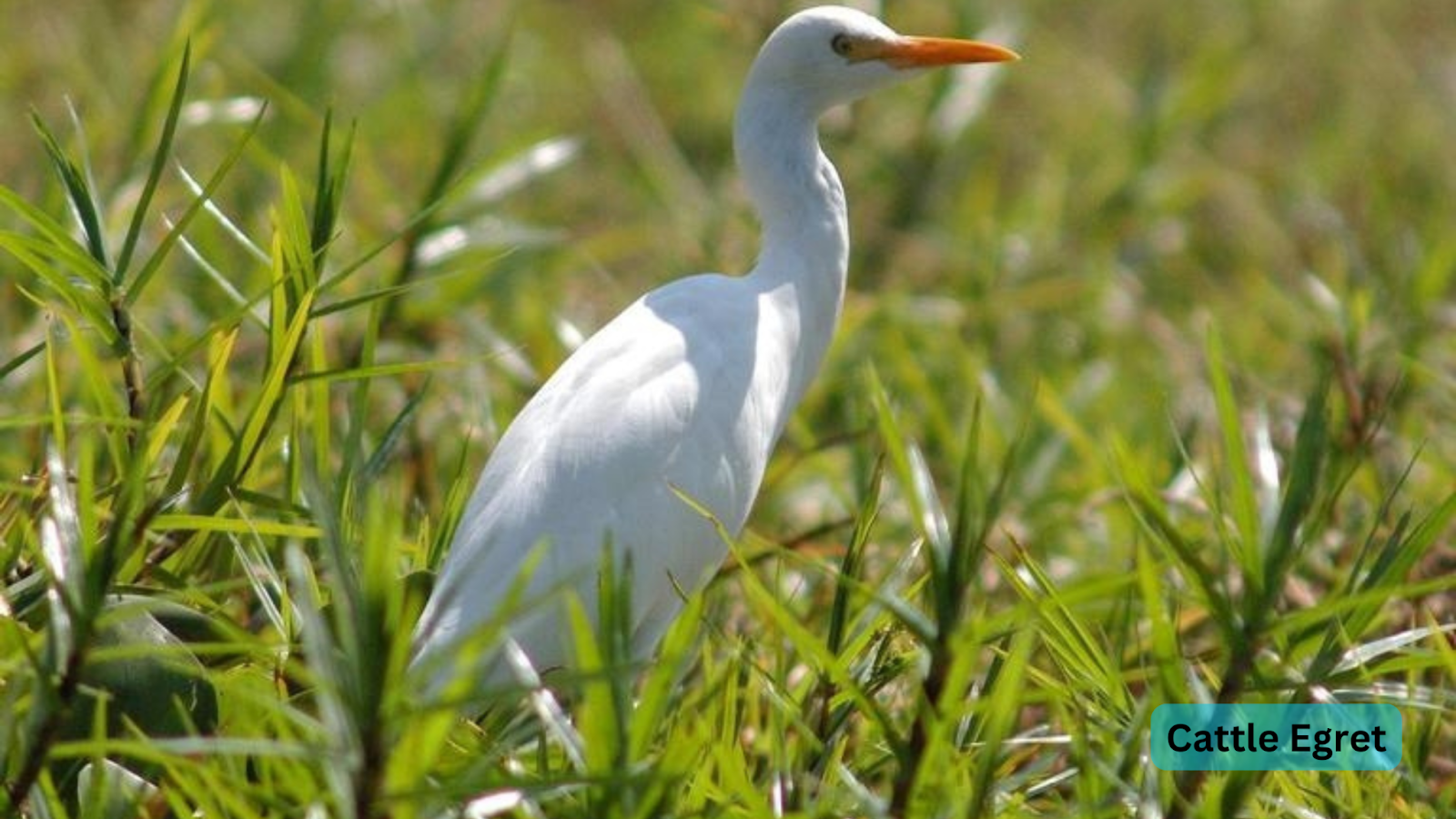
18. Cattle Egret
The Cattle Egret is a small, stocky white heron often seen in fields and pastures, usually in close association with livestock. They have a distinctive habit of perching on cattle or following them to catch insects stirred up by their movement. They feed on insects, small amphibians, and other invertebrates. Their symbiotic relationship with cattle and other large animals helps them find food more efficiently, making them a common sight in agricultural areas.
| Feature | Description |
| Scientific Name | Bubulcus ibis |
| Length | 18-22 inches |
| Wingspan | 34-38 inches |
| Habitat | Grasslands, fields, wetlands |
| Range | Worldwide |
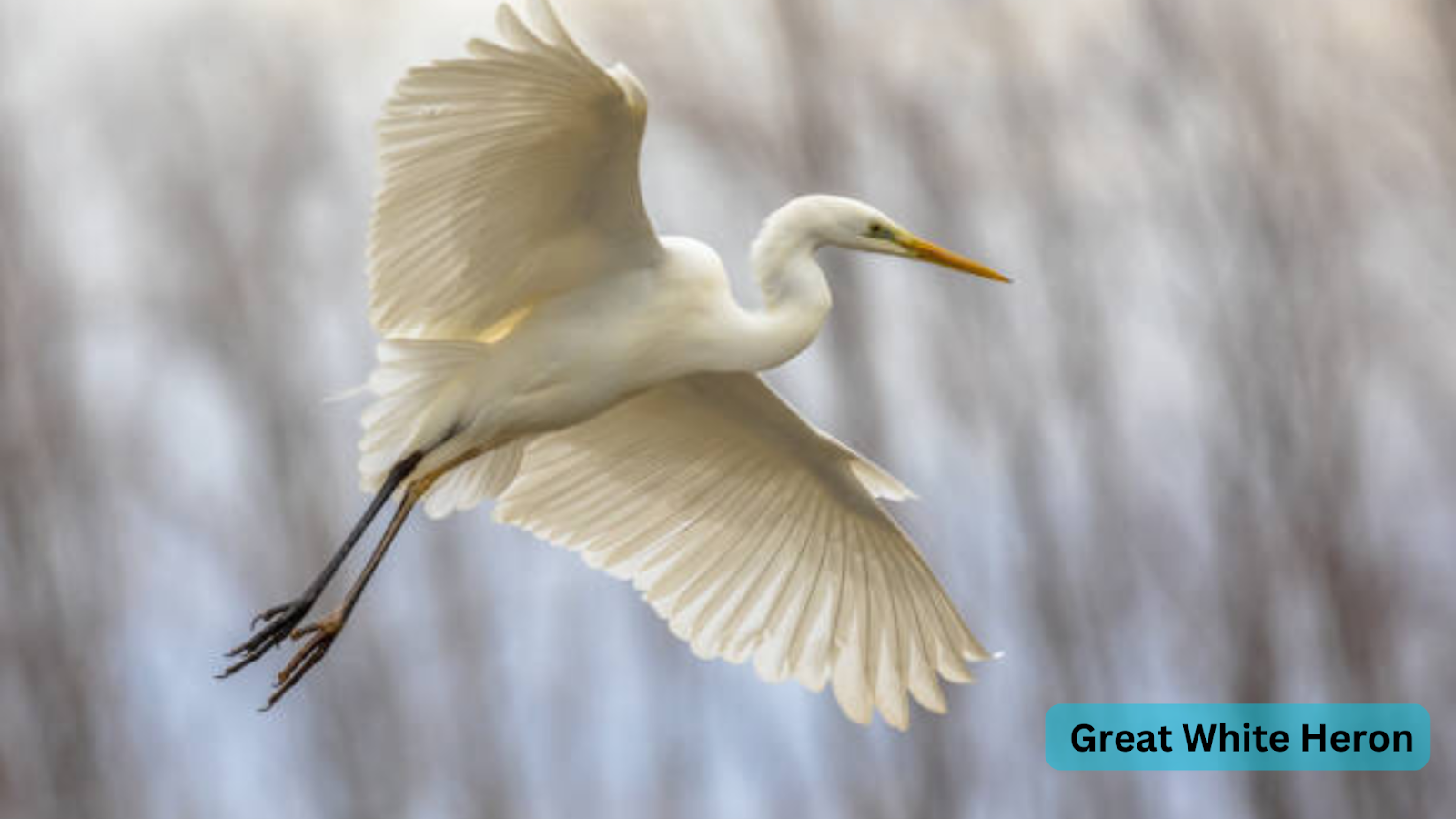
19. Great White Heron
The Great White Heron is a white morph of the Great Blue Heron. These large wading birds are found in coastal areas of Florida and the Caribbean. They are similar in size and behavior to the Great Blue Heron but are entirely white. Great White Herons feed on fish, crustaceans, and small vertebrates. They are often seen wading in shallow water, waiting to ambush prey with their sharp beaks.
| Feature | Description |
| Scientific Name | Ardea herodias occidentalis |
| Length | 38-54 inches |
| Wingspan | 65-80 inches |
| Habitat | Coastal areas, wetlands |
| Range | Florida, Caribbean |
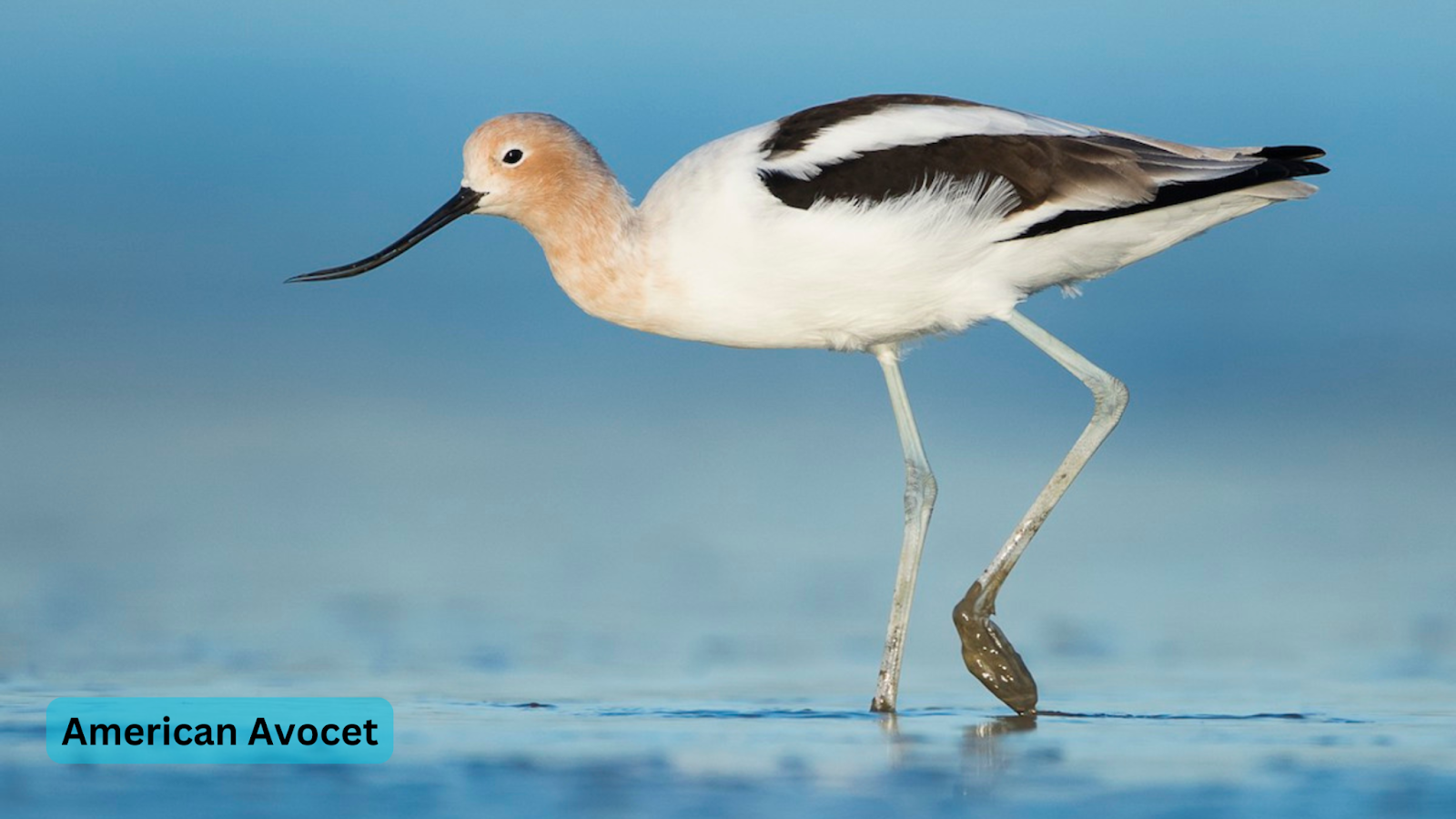
20. American Avocet
The American Avocet is a striking shorebird with a slender, upturned bill and long legs. Their plumage is primarily white with black and brown patches, and they are known for their elegant wading and foraging behavior in shallow waters. They feed on small invertebrates and crustaceans. They sweep their bills side-to-side in the water to catch prey, a unique feeding technique that makes them fascinating to observe.
| Feature | Description |
| Scientific Name | Recurvirostra americana |
| Length | 16-20 inches |
| Wingspan | 28-31 inches |
| Habitat | Shorelines, shallow lakes |
| Range | North America |
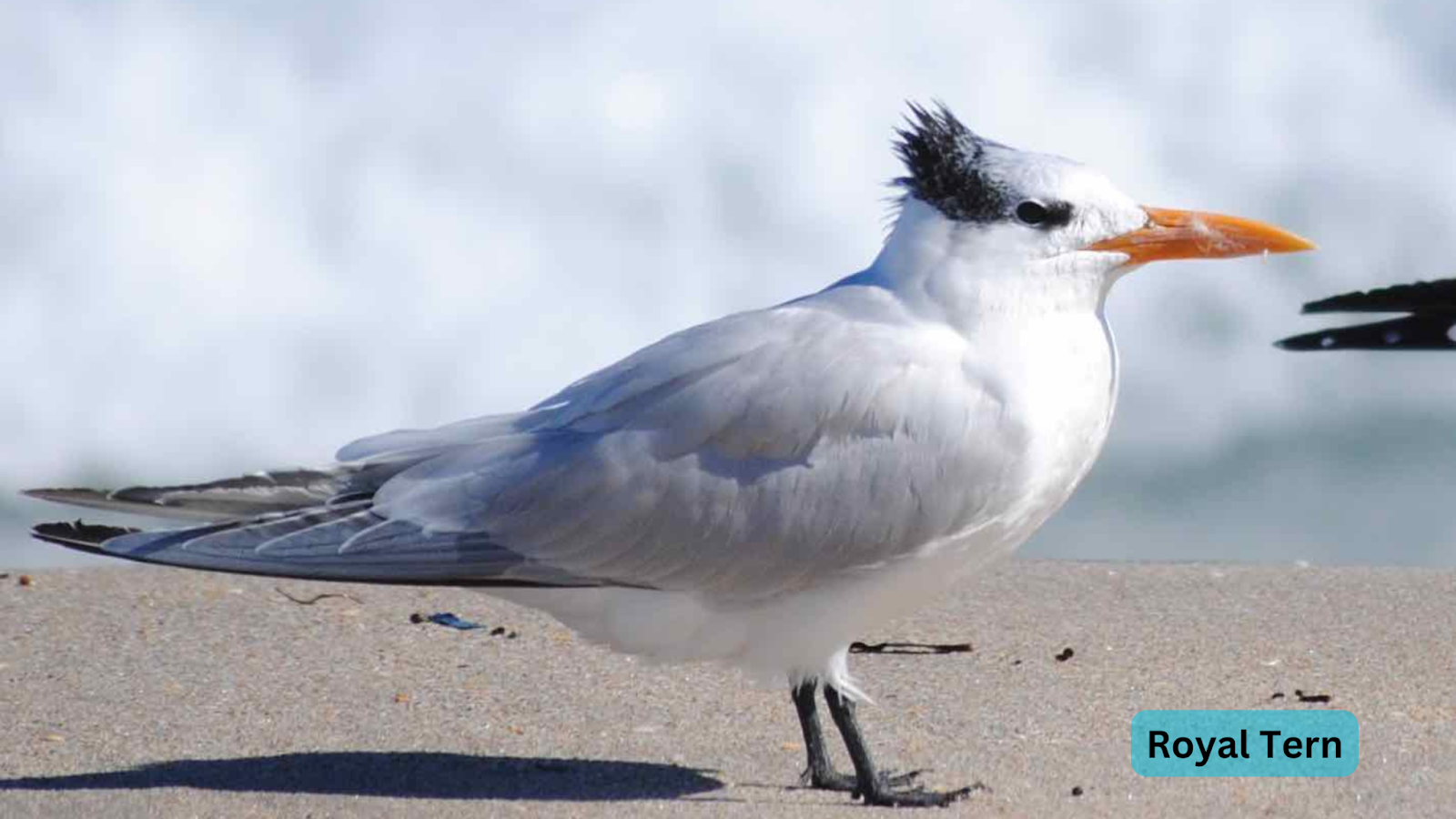
21. Royal Tern
The Royal Tern is a large seabird with a distinctive black cap and bright orange bill. These terns are found along coastlines and are known for their graceful flight and diving behavior to catch fish. They primarily feed on small fish and crustaceans. They are social birds, often nesting in large colonies on sandy beaches and islands.
| Feature | Description |
| Scientific Name | Thalasseus maximus |
| Length | 18-20 inches |
| Wingspan | 39-43 inches |
| Habitat | Coastal areas, islands |
| Range | Americas, Africa |
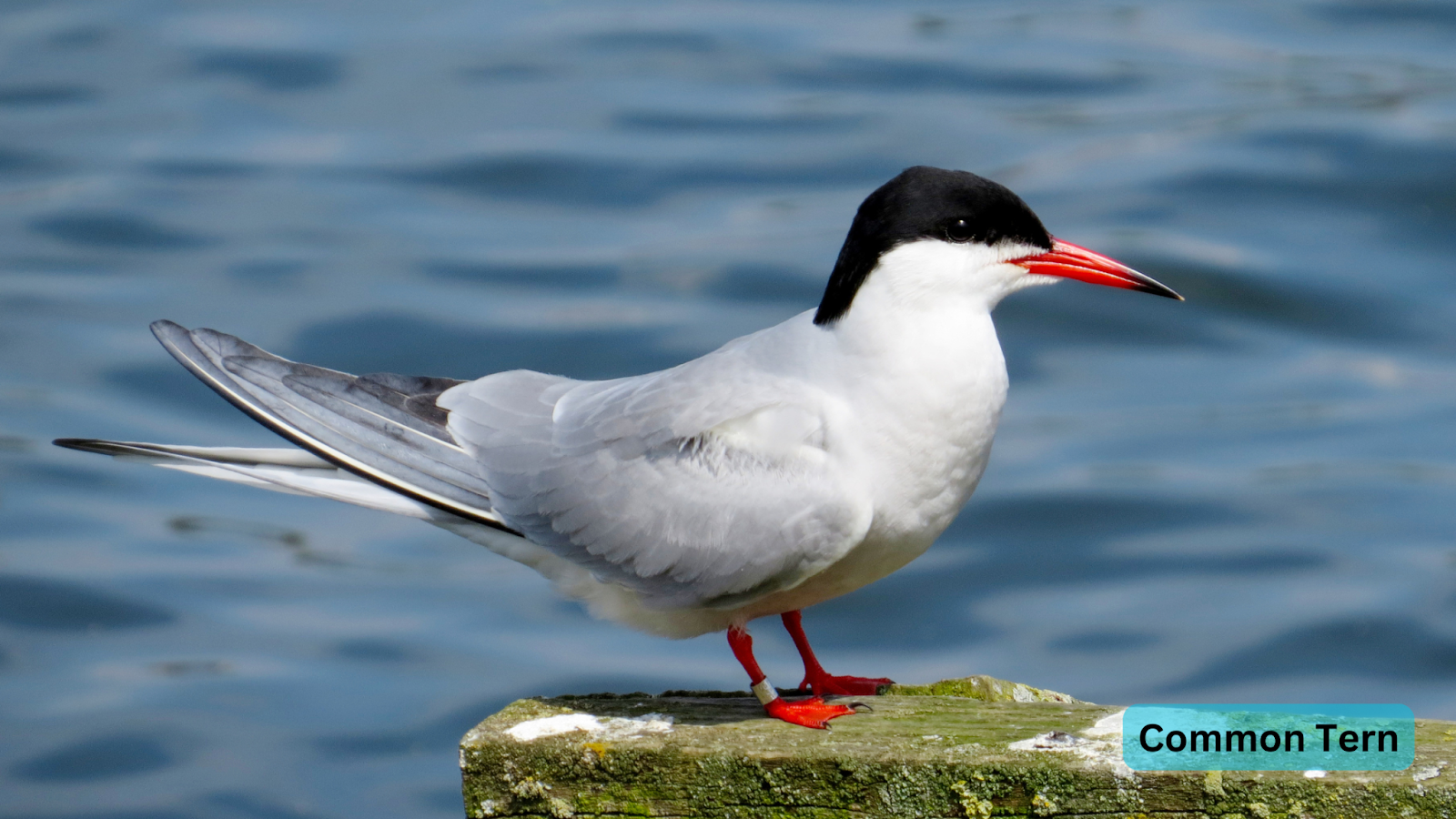
22. Common Tern
The Common Tern is a medium-sized seabird with a black cap, orange-red bill, and a deeply forked tail. These terns are found along coastlines, rivers, and lakes, and are known for their agile flight and diving for fish. They feed on small fish and invertebrates. They are highly migratory, traveling long distances between breeding and wintering grounds.
| Feature | Description |
| Scientific Name | Sterna hirundo |
| Length | 12-14 inches |
| Wingspan | 30-31 inches |
| Habitat | Coastal areas, rivers, lakes |
| Range | Worldwide |
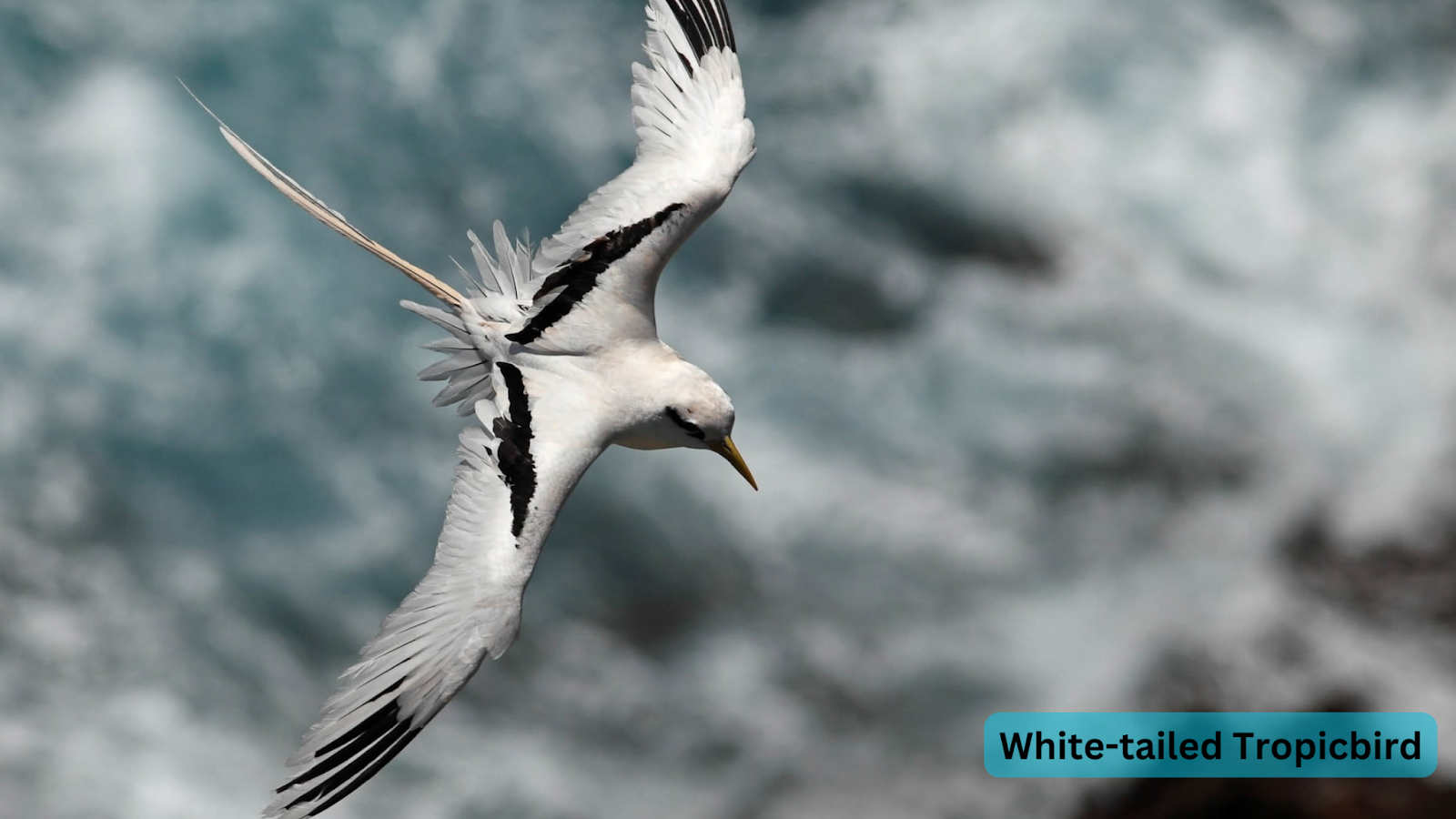
23. White-tailed Tropicbird
The White-tailed Tropicbird is a striking seabird known for its elongated tail feathers and graceful flight. These birds are found in tropical oceans, often nesting on remote islands and cliffs. They feed on fish and squid, which they catch by plunging into the ocean. Their long, white tail feathers and black markings on the wings make them easily identifiable in flight.
| Feature | Description |
| Scientific Name | Phaethon lepturus |
| Length | 30-32 inches (including tail) |
| Wingspan | 36-38 inches |
| Habitat | Tropical oceans, remote islands |
| Range | Worldwide in tropical regions |
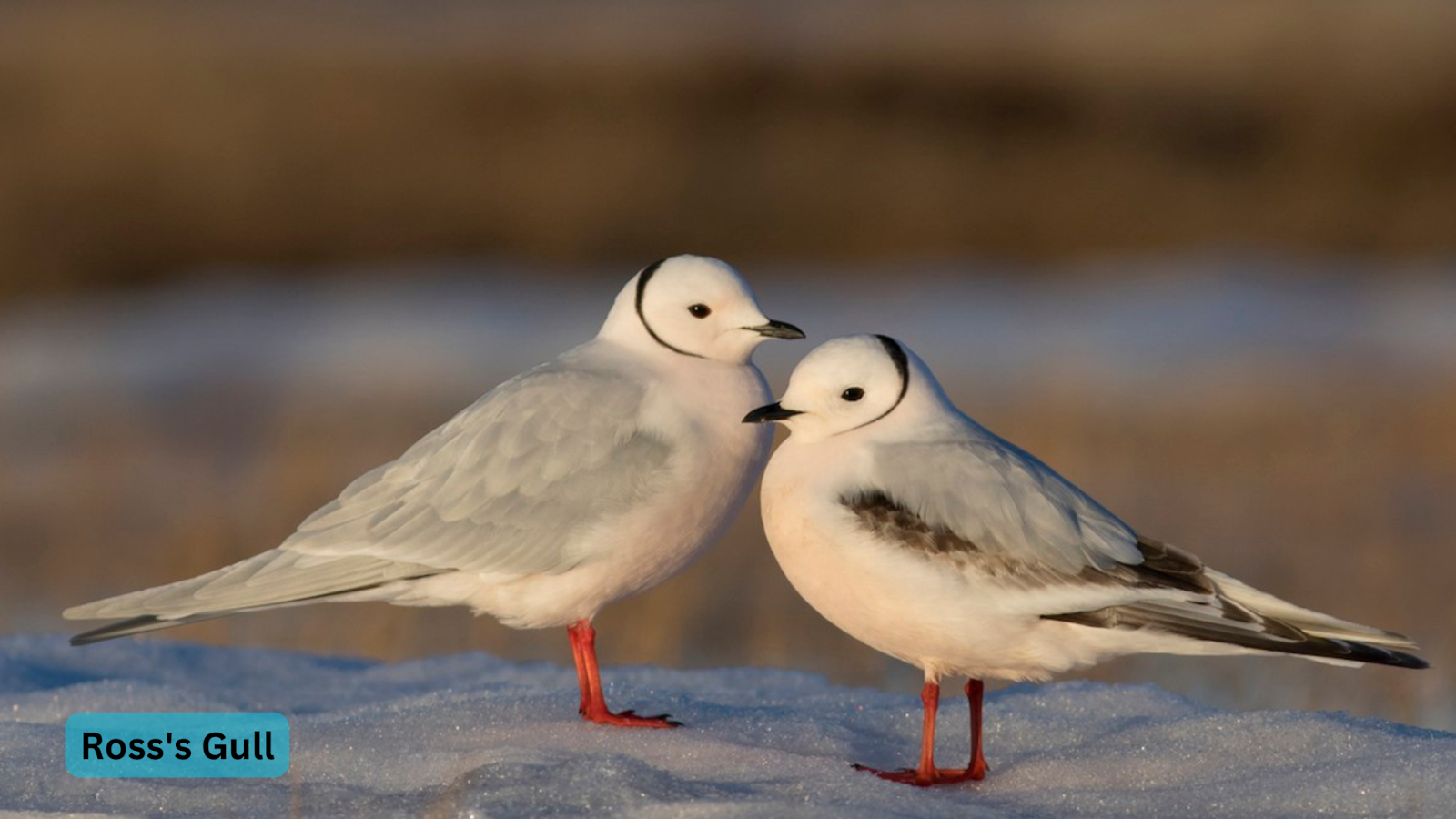
24. Ross’s Gull
Ross’s Gull is a small, rare gull with a delicate pinkish hue during the breeding season. These gulls breed in the high Arctic and are known for their graceful, buoyant flight. They feed on small fish and invertebrates. Their pinkish coloration and elegant appearance make them a sought-after species for bird watchers.
| Feature | Description |
| Scientific Name | Rhodostethia rosea |
| Length | 12-15 inches |
| Wingspan | 35-39 inches |
| Habitat | Arctic regions |
| Range | Arctic, occasionally seen in northern Europe and North America |
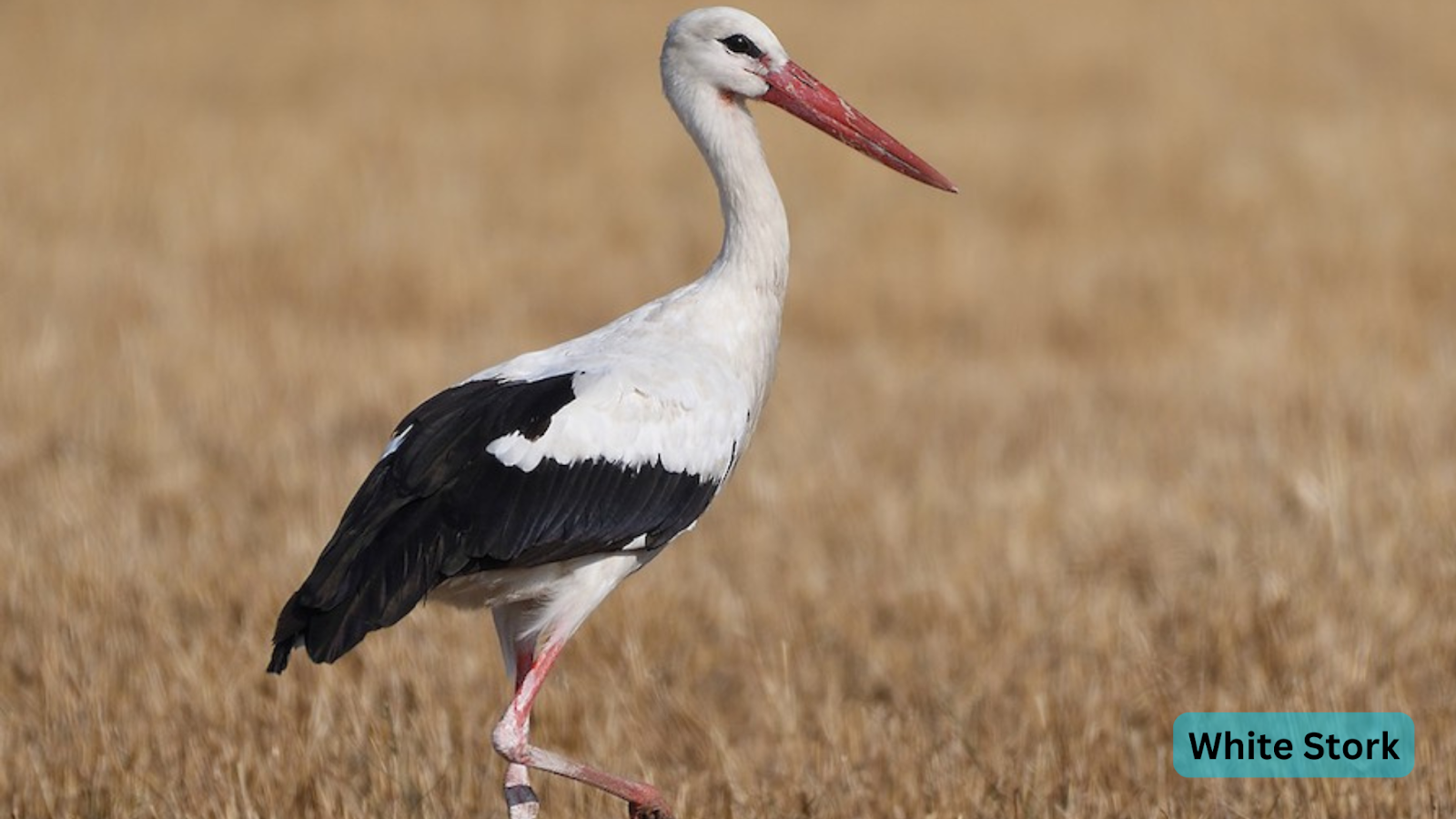
25. White Stork
The White Stork is a large, stately bird known for its long legs and white plumage with black wingtips. These storks are found across Europe, Africa, and Asia and are famous for their migratory behavior. They feed on insects, small mammals, amphibians, and reptiles. They are often seen nesting on rooftops and tall structures, where they build large stick nests.
| Feature | Description |
| Scientific Name | Ciconia ciconia |
| Length | 39-45 inches |
| Wingspan | 61-75 inches |
| Habitat | Wetlands, grasslands, farmlands |
| Range | Europe, Africa, Asia |
FAQs
Q1: What are some common white birds names found in North America?
Some common white birds name in North America include the American White Pelican, Great Egret, Snowy Owl, Trumpeter Swan, and Tundra Swan. Each of these birds can be found in various habitats such as wetlands, coastal areas, and tundras, where they play significant roles in their respective ecosystems.
Q2: Are there any endangered white bird species?
Yes, some white bird species are endangered. The Whooping Crane, for example, is critically endangered due to habitat loss and hunting. Conservation efforts are ongoing to protect and restore their populations through breeding programs and habitat preservation.
Q3: How do Ivory Gulls adapt to their Arctic environment?
Ivory Gulls are well-adapted to the harsh Arctic environment with their entirely white plumage that blends in with the ice and snow. They feed on fish, crustaceans, and small mammals, often scavenging around polar bear kills and human settlements.
Q4: Why do some birds have white plumage?
White plumage provides several advantages, such as camouflage in snowy environments, reflecting sunlight to stay cool, and playing a role in mating displays.
Wrapping Up
White birds are a diverse group offering fascinating insights into avian life. Each species, from the agile Little Gull to the graceful Great White Heron, has unique characteristics that captivate observers. Recognizing white birds name helps deepen our appreciation for these magnificent creatures. Observing these birds responsibly and supporting conservation efforts is crucial for ensuring their continued presence in our natural world. By learning about and protecting their habitats, we can help maintain the biodiversity and health of bird populations worldwide. Supporting habitat preservation and conservation initiatives is essential for future generations to enjoy these beautiful birds.