Bird watching is a delightful activity that brings you closer to nature and helps you appreciate the beauty of various bird species. Identifying birds based on their physical characteristics is an essential skill for bird enthusiasts. In this article, we’ll discuss different black bird with white stripe on wings and other distinctive features. We’ll cover a range of species, including some lesser-known ones, providing detailed descriptions and tips for identification.
Black Birds with White Stripes on Wings
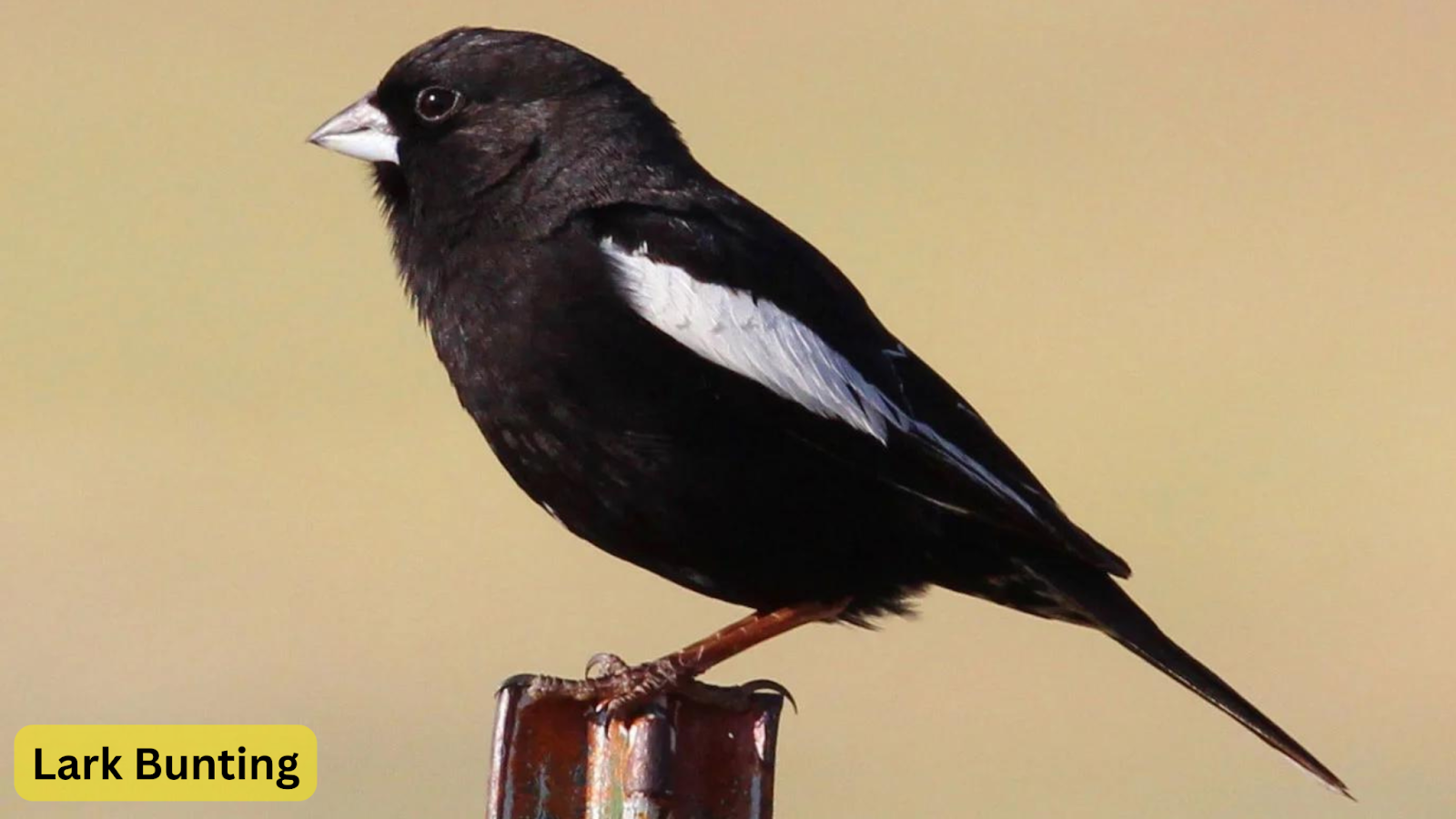
1. Lark Bunting
Lark Buntings are known for their striking black and white plumage. The males are predominantly black with bold white wing patches, which are especially noticeable during the breeding season. These birds are often found in the central United States, particularly in grasslands and prairies. They migrate to Mexico and the southwestern United States during the winter months. Conservation efforts are crucial for Lark Buntings, as their population is declining due to habitat loss.
| Feature | Details |
| Scientific Name | Calamospiza melanocorys |
| Size | 5-7 inches |
| Habitat: | Grasslands and prairies |
| Diet: | Insects and seeds |
2. Black-billed Magpie
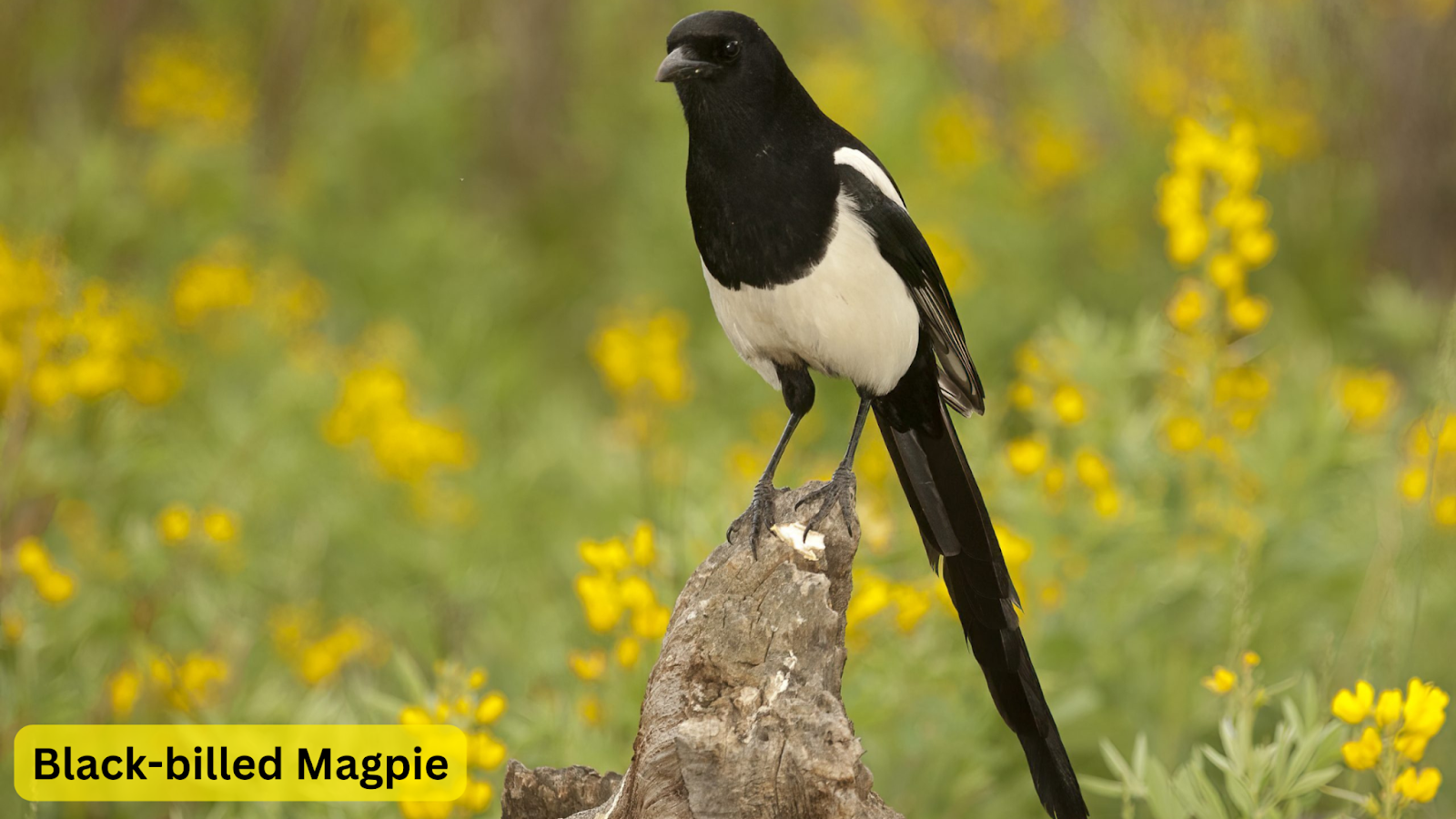
The Black-billed Magpie is a medium-sized bird with a long tail and distinctive black-and-white plumage. These birds are commonly found in western North America, inhabiting open grasslands, riparian woodlands, and suburban areas. Magpies are omnivorous, feeding on insects, small animals, fruits, and carrion. Their intelligence and social behavior make them fascinating subjects for bird watchers.
| Feature | Details |
| Scientific Name | Pica hudsonia |
| Size | 18-24 inches |
| Habitat | Grasslands, woodlands, suburban areas |
| Diet | Omnivorous |
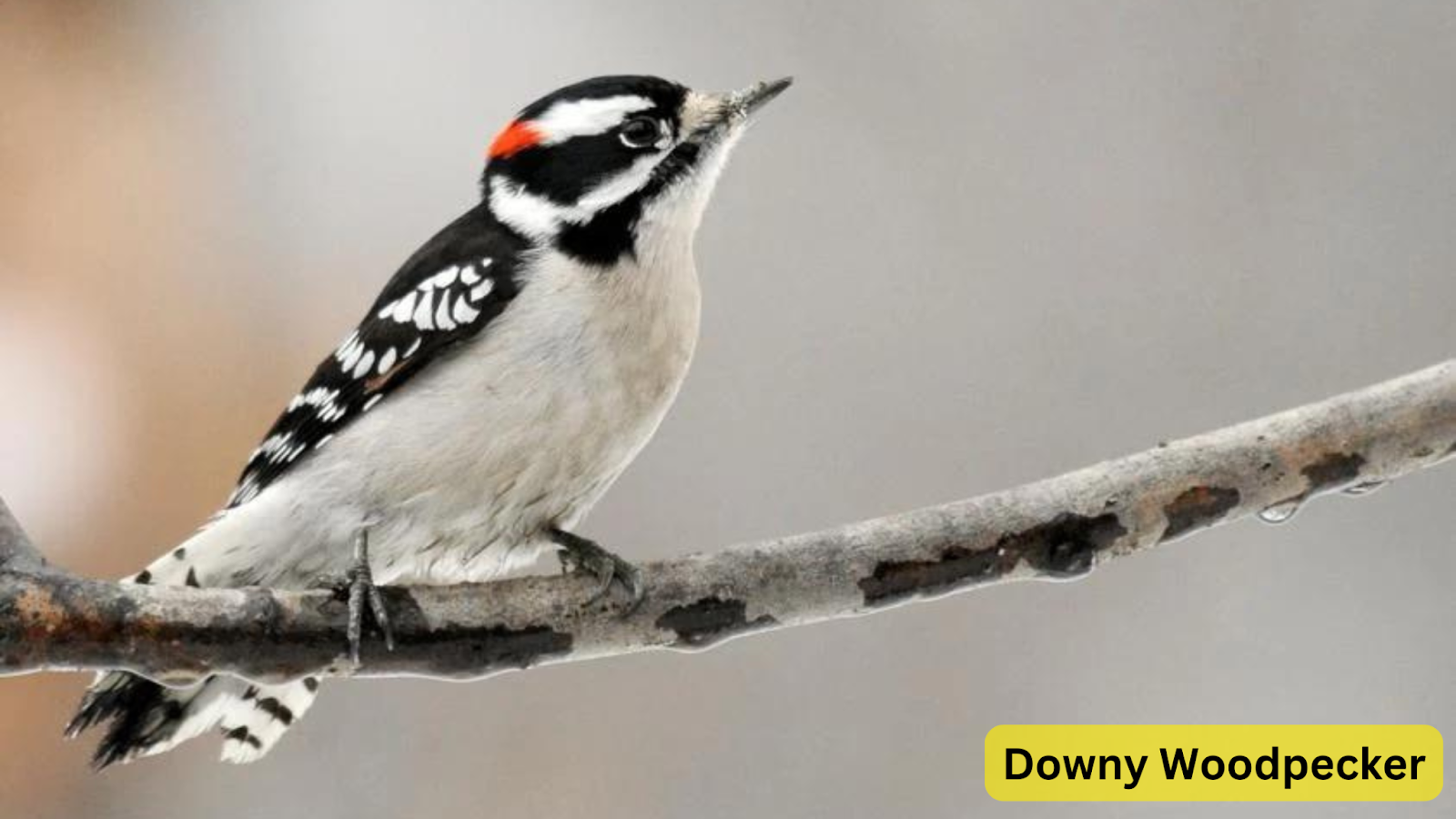
3. Downy Woodpecker
Downy Woodpeckers are small black and white birds with a distinctive pattern on their wings. These woodpeckers are found throughout North America and are most common in eastern regions. They prefer deciduous forests, woodlands, and gardens. Downy Woodpeckers use their short, straight bills to drill into wood to find insects and sap. They are known for their drumming behavior, which helps them establish territory and communicate with other woodpeckers.
| Feature | Details |
| Scientific Name | Dryobates pubescens |
| Size | 5-7 inches |
| Habitat | Forests, woodlands, gardens |
| Diet | Insects, sap |
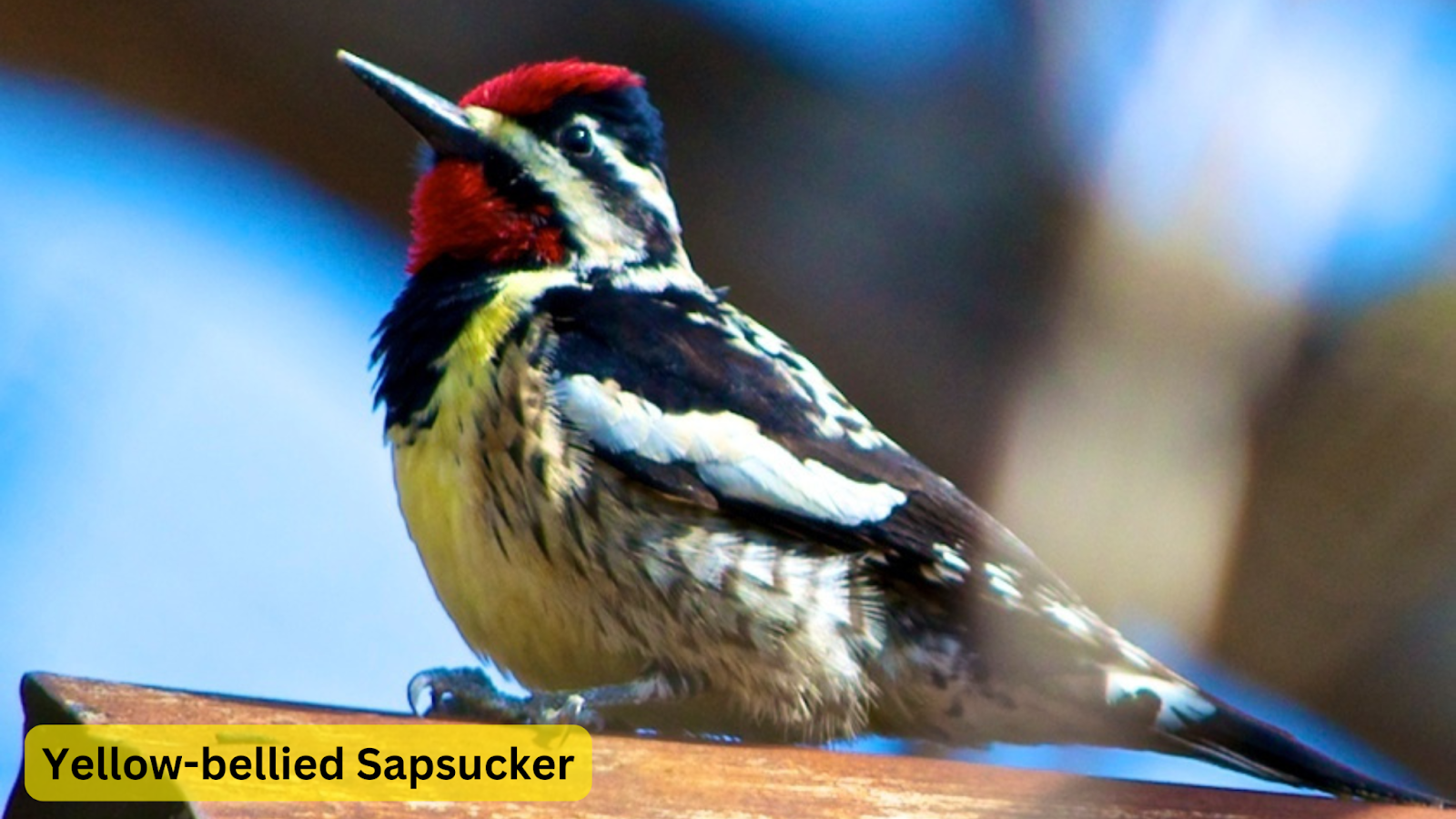
4. Yellow-bellied Sapsucker
The Yellow-bellied Sapsucker is a small woodpecker with a mix of black, white, and yellowish plumage. These birds are found in North America, particularly in deciduous forests with birch and maple trees. Sapsuckers are known for drilling rows of holes in trees to feed on the sap that oozes out. They also eat insects, fruits, and nuts.
| Feature | Details |
| Scientific Name | Sphyrapicus varius |
| Size | 7-9 inches |
| Habitat | Deciduous forests |
| Diet | Sap, insects, fruits, nuts |
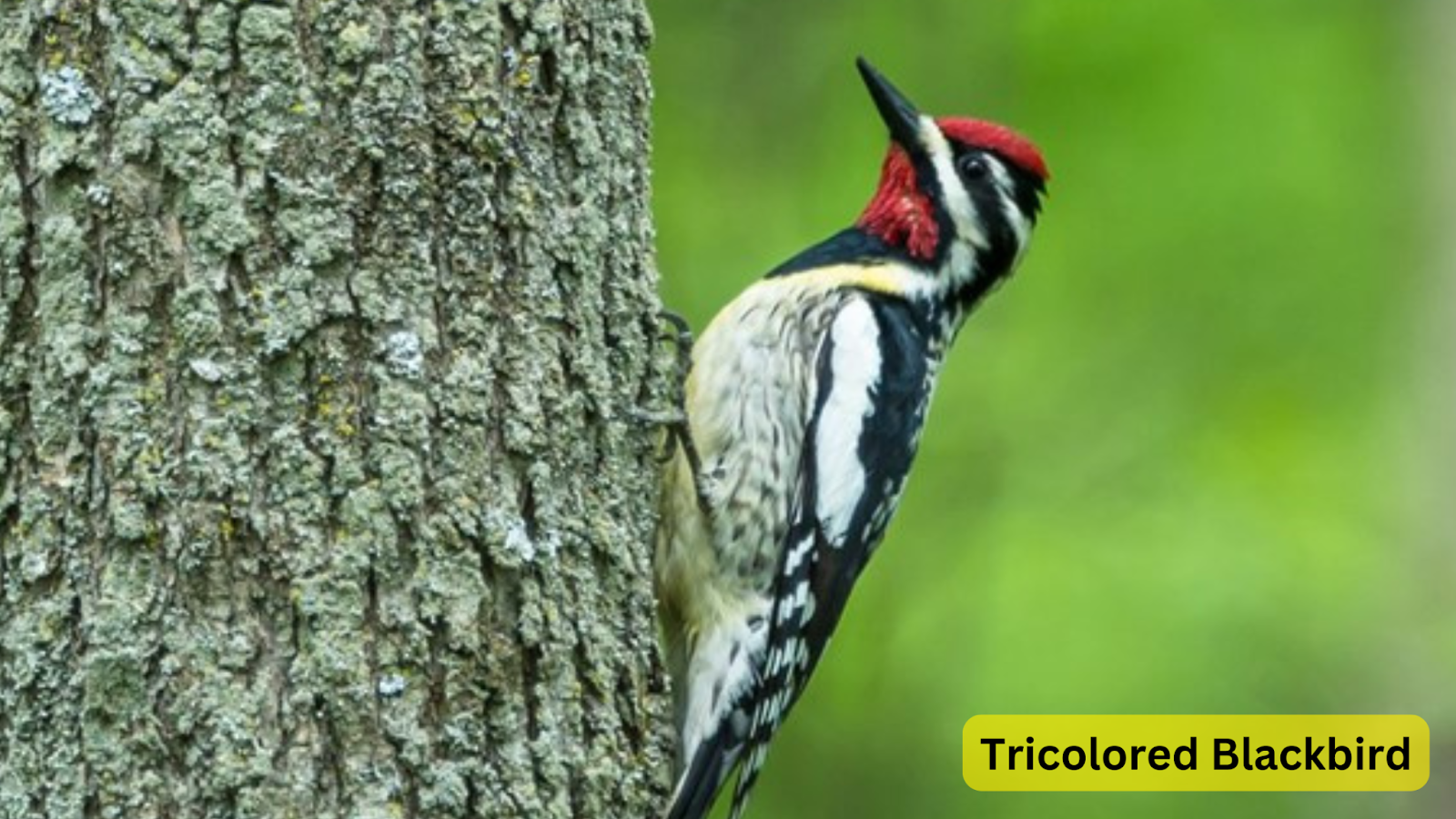
5. Tricolored Blackbird
Tricolored Blackbirds have a black body with a white stripe and a red shoulder patch. These birds are primarily found in California, inhabiting wetlands and agricultural areas. The population of Tricolored Blackbirds has declined significantly, making them an endangered species. Conservation efforts are essential to protect their habitats and ensure their survival.
| Feature | Details |
| Scientific Name | Agelaius tricolor |
| Size | 8-9 inches |
| Habitat | Wetlands, agricultural areas |
| Diet | Insects, seeds |
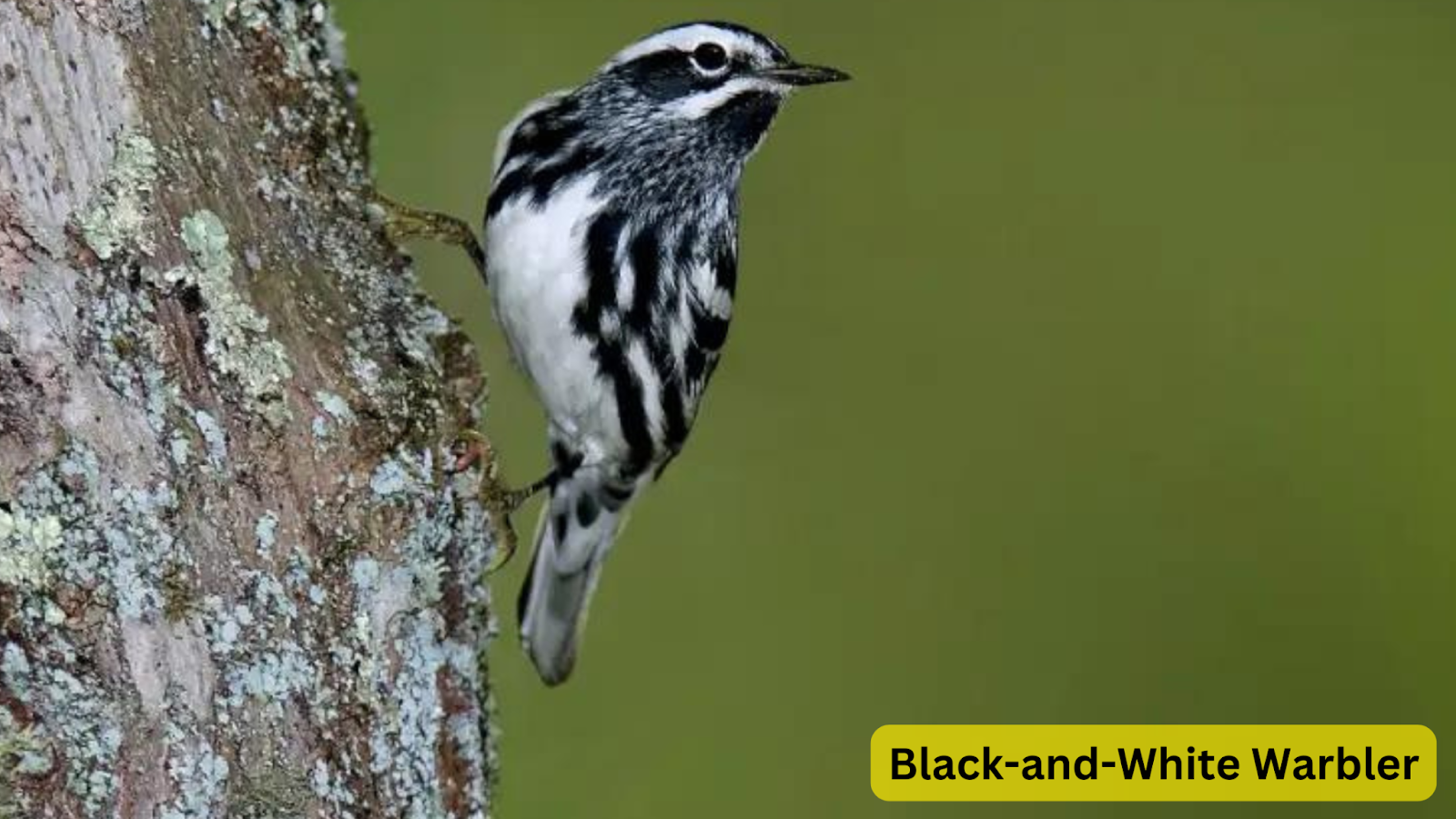
6. Black-and-White Warbler
The Black-and-White Warbler is a small bird with black and white stripes on its wings and body. These warblers are found in eastern North America, from Canada to Texas. They inhabit various woodland settings and primarily feed on insects and other invertebrates. Despite their small size, Black-and-White Warblers are known for their aggressive behavior, especially during the breeding season.
| Feature | Detail |
| Scientific Name | Mniotilta varia |
| Size | 4-5 inches |
| Habitat | Woodlands |
| Diet | Insects |
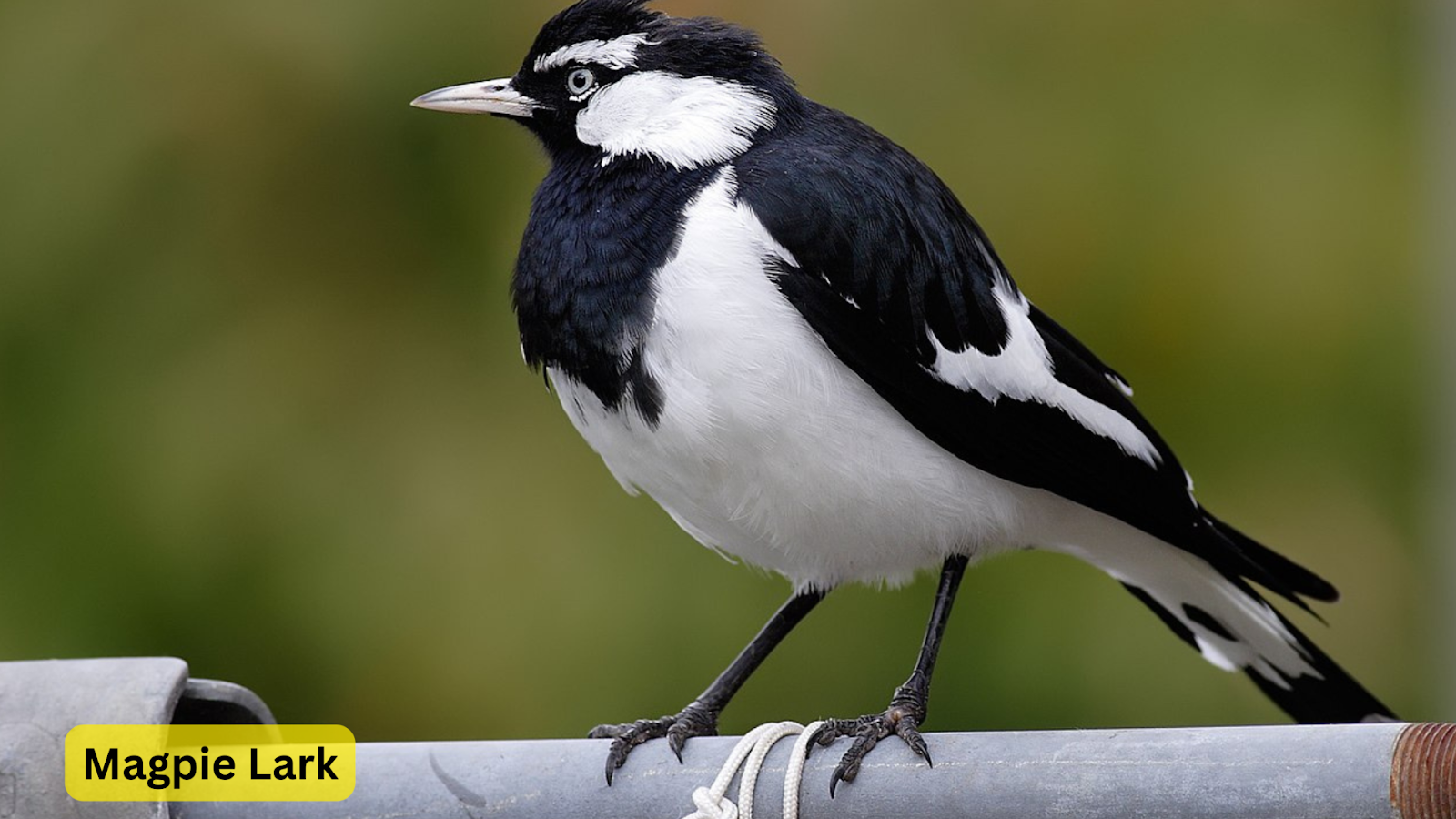
7. Magpie Lark
The Magpie Lark, also known as the “Peewee” or “Mudlark,” is native to Australia and southern New Guinea. These birds have striking black and white plumage and are often seen foraging on the ground for insects and small invertebrates. Magpie Larks are known for their unique dueting calls, which they perform in pairs.
| Feature | Details |
| Scientific Name | Grallina cyanoleuca |
| Size | 10-12 inches |
| Habitat | Open woodlands, grasslands, wetlands |
| Diet | Insects, invertebrates |
8. Northern Mockingbird
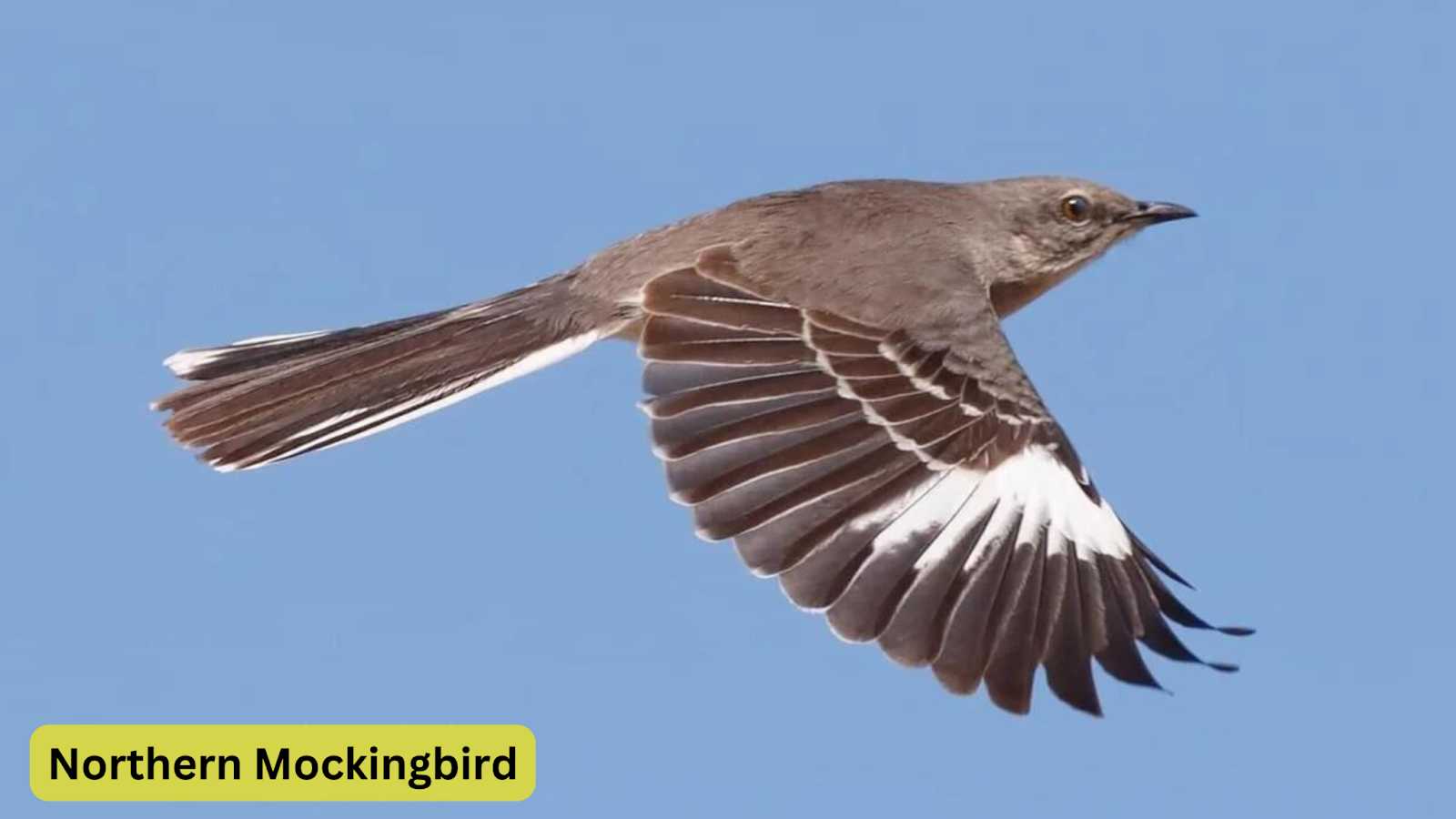
Northern Mockingbirds are dark gray birds with white wing stripes that become more visible in flight. These birds are commonly found in North America, inhabiting gardens, parks, and open areas. They are known for their territorial behavior and their ability to mimic the songs of other birds.
| Feature | Details |
| Scientific Name | Mimus polyglottos |
| Size | 9-11 inches |
| Habitat | Gardens, parks, open areas |
| Diet | Insects, fruits |
9. Ladder-backed Woodpecker
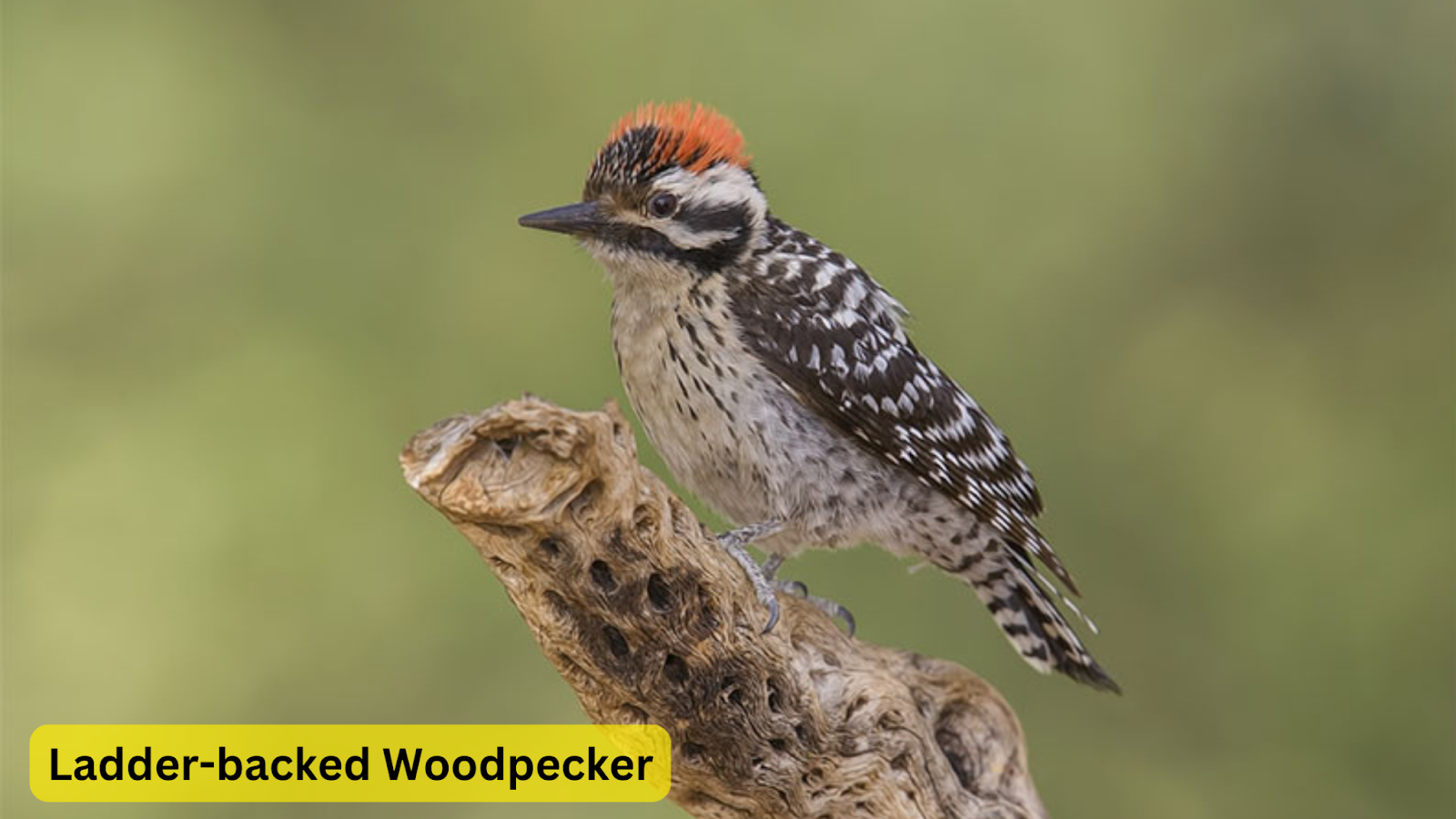
The Ladder-backed Woodpecker is a small woodpecker with a distinctive ladder-like pattern on its back. These birds are native to the southwestern United States and Mexico, preferring dry woodlands and deserts. They feed on insects, fruits, and seeds, often seen scaling tree trunks and branches in search of food.
| Feature | Details |
| Scientific Name | Picoides scalaris |
| Size | 6-7 inches |
| Habitat | Woodlands, deserts |
| Diet | Insects, fruits, seeds |
10. Black Skimmer
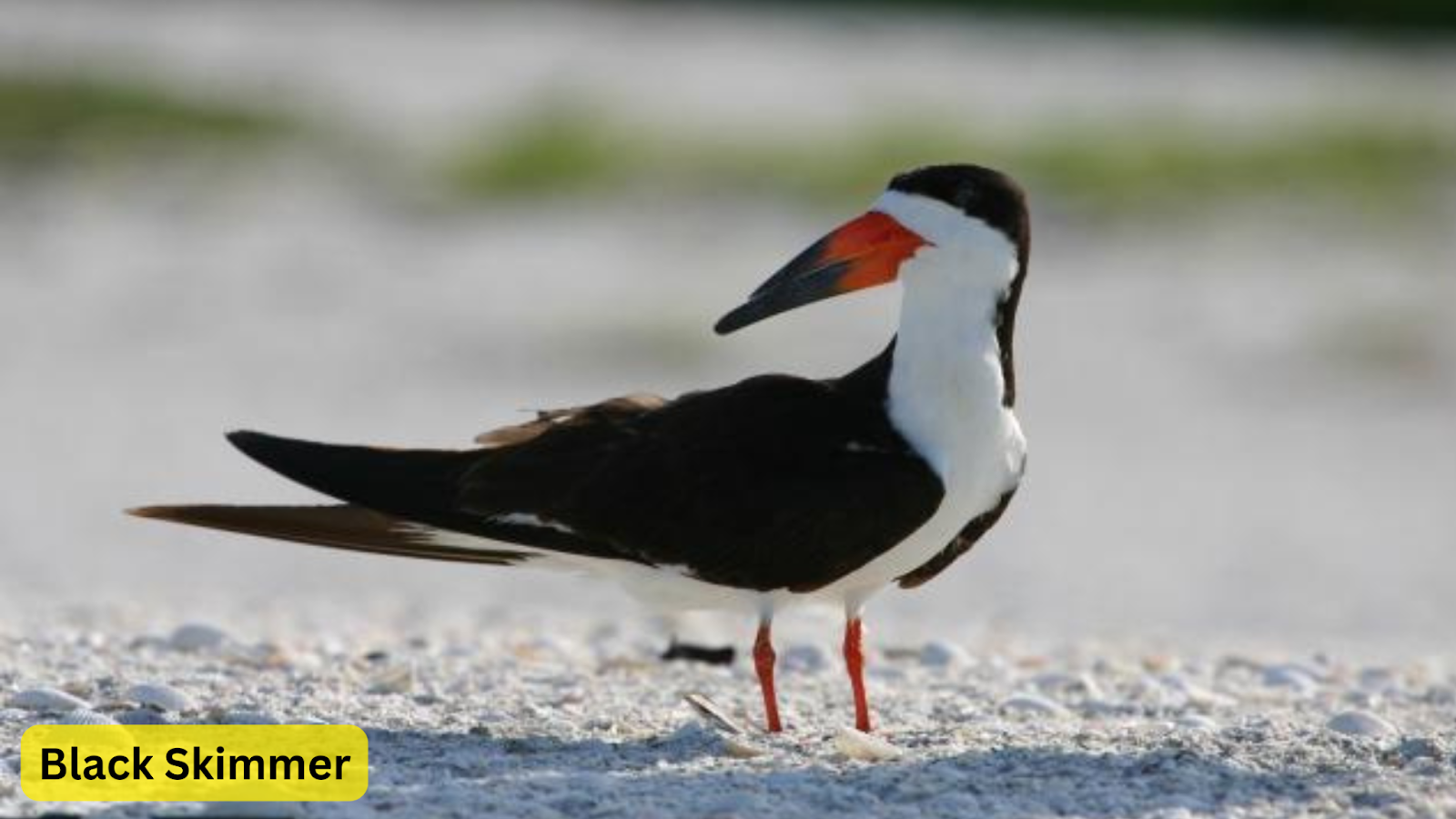
The Black Skimmer is a unique seabird with black and white plumage and bold white wing stripes. These birds are found along the coasts and waterways of the Americas. Skimmers are known for their remarkable feeding technique, where they skim the water’s surface with their lower mandible to catch small fish and crustaceans.
| Feature | Details |
| Scientific Name | Rynchops niger |
| Size | 15-20 inches |
| Habitat | Coastal areas, estuaries |
| Diet | Small fish, crustaceans |
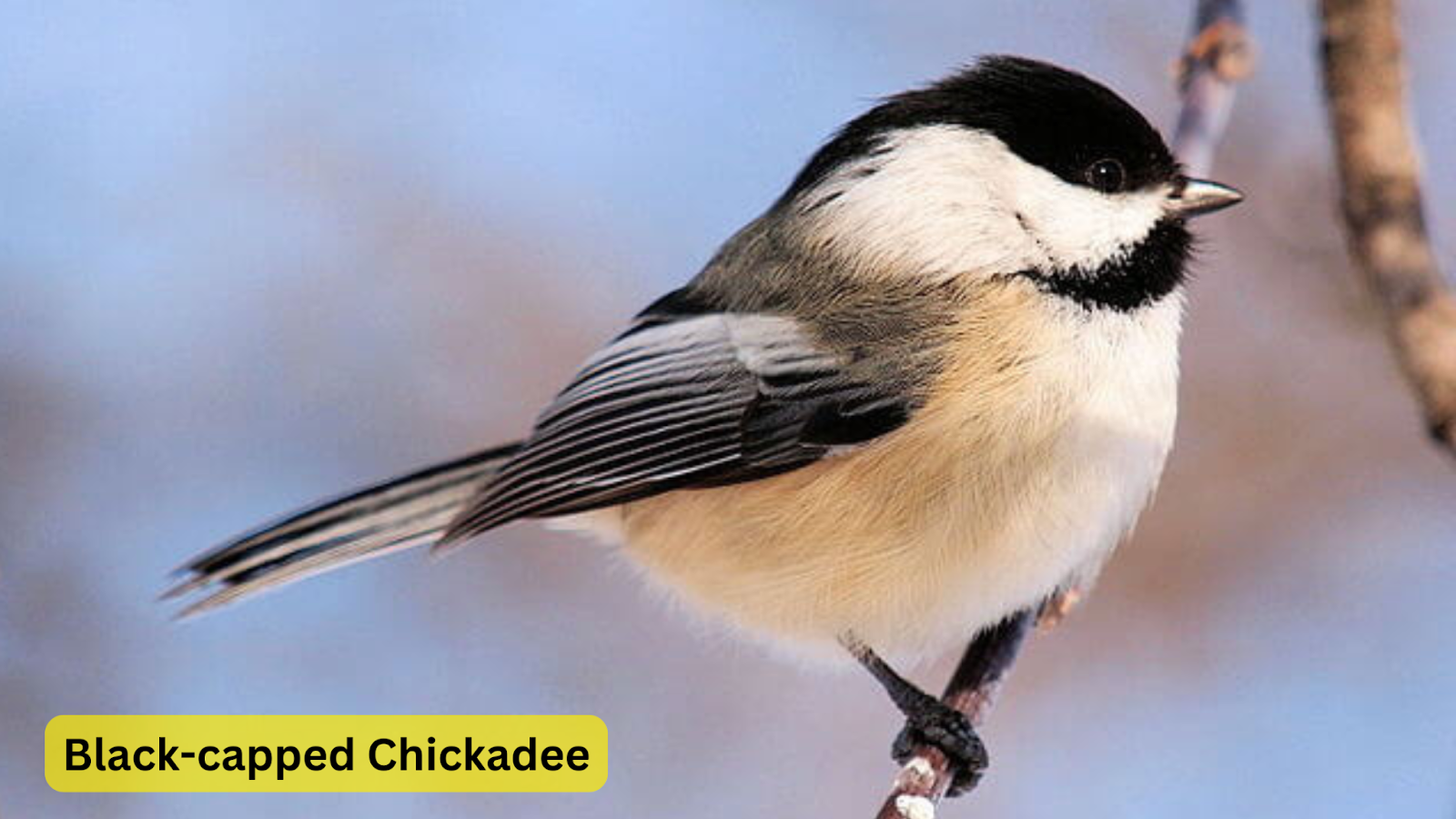
11.Black-capped Chickadee
The Black-capped Chickadee is a small bird with a white belly and back. These birds are easily recognizable by their black cap, bibs, white cheeks, soft gray wings, and tails. They are commonly found in deciduous and mixed forests across North America. Chickadees are known for their curious and friendly nature, often seen flitting about in search of food.
| Feature | Details |
| Scientific name | Poecile atricapillus |
| Size | 4.7-5.9 inches |
| Habitat | Deciduous and mixed forests, suburban areas |
| Diet | Insects, seeds, berries |
12. Dark-eyed Junco
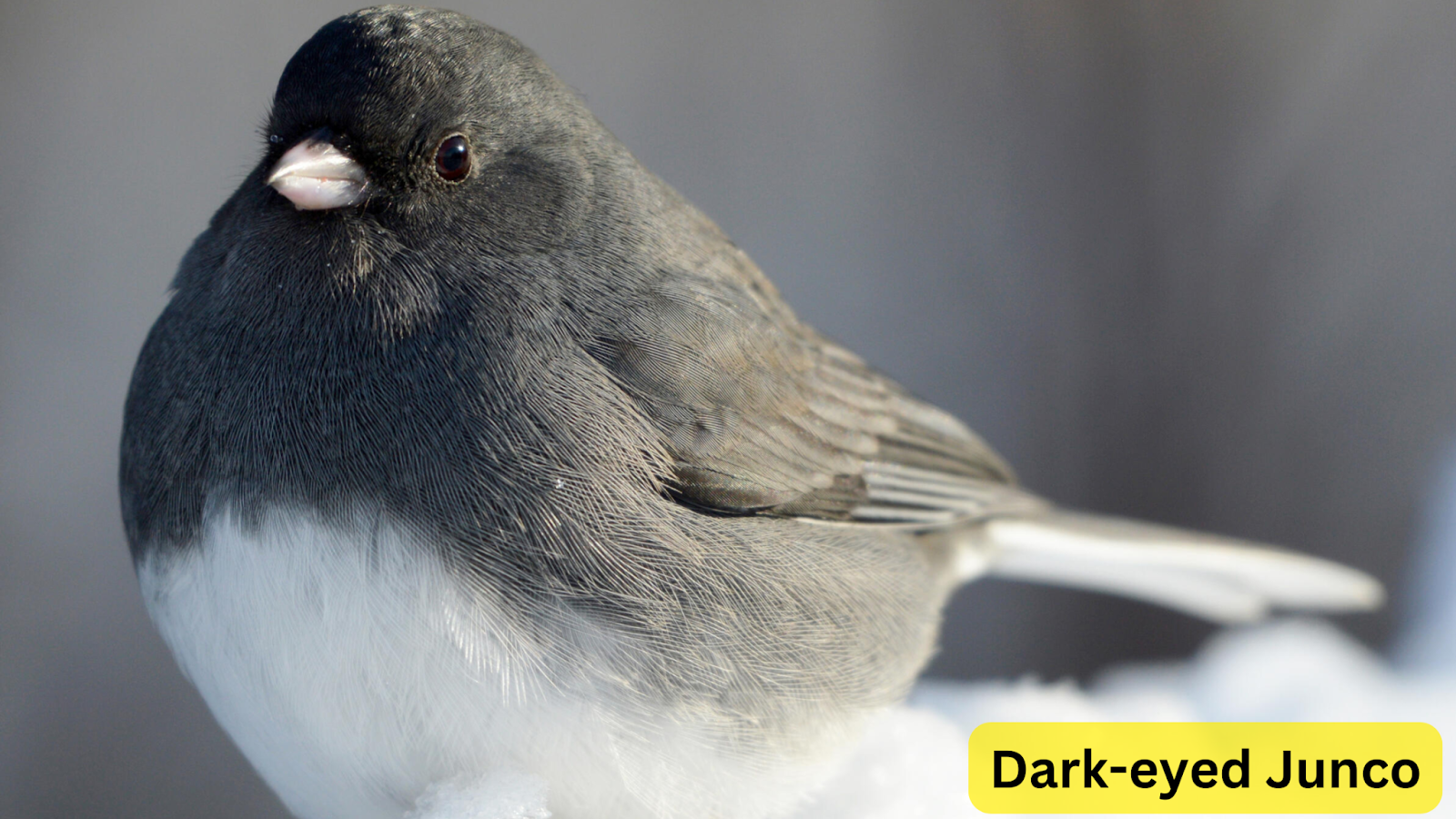
The Dark-eyed Junco is a small sparrow that is well-known for its distinctive white belly and back. These birds have varying color patterns, but the most common ones seen in North America have slate-colored upperparts and bright white underparts. Dark-eyed Juncos are frequently found in forests, woodland edges, and gardens, particularly during winter when they migrate to more temperate regions.
| Feature | Details |
| Scientific Name | Junco hyemalis |
| Size | 5-6 inches |
| Habitat | Forests, woodland edges, garden |
| Diet | Seeds, insects |
13. Yellow-headed Blackbird
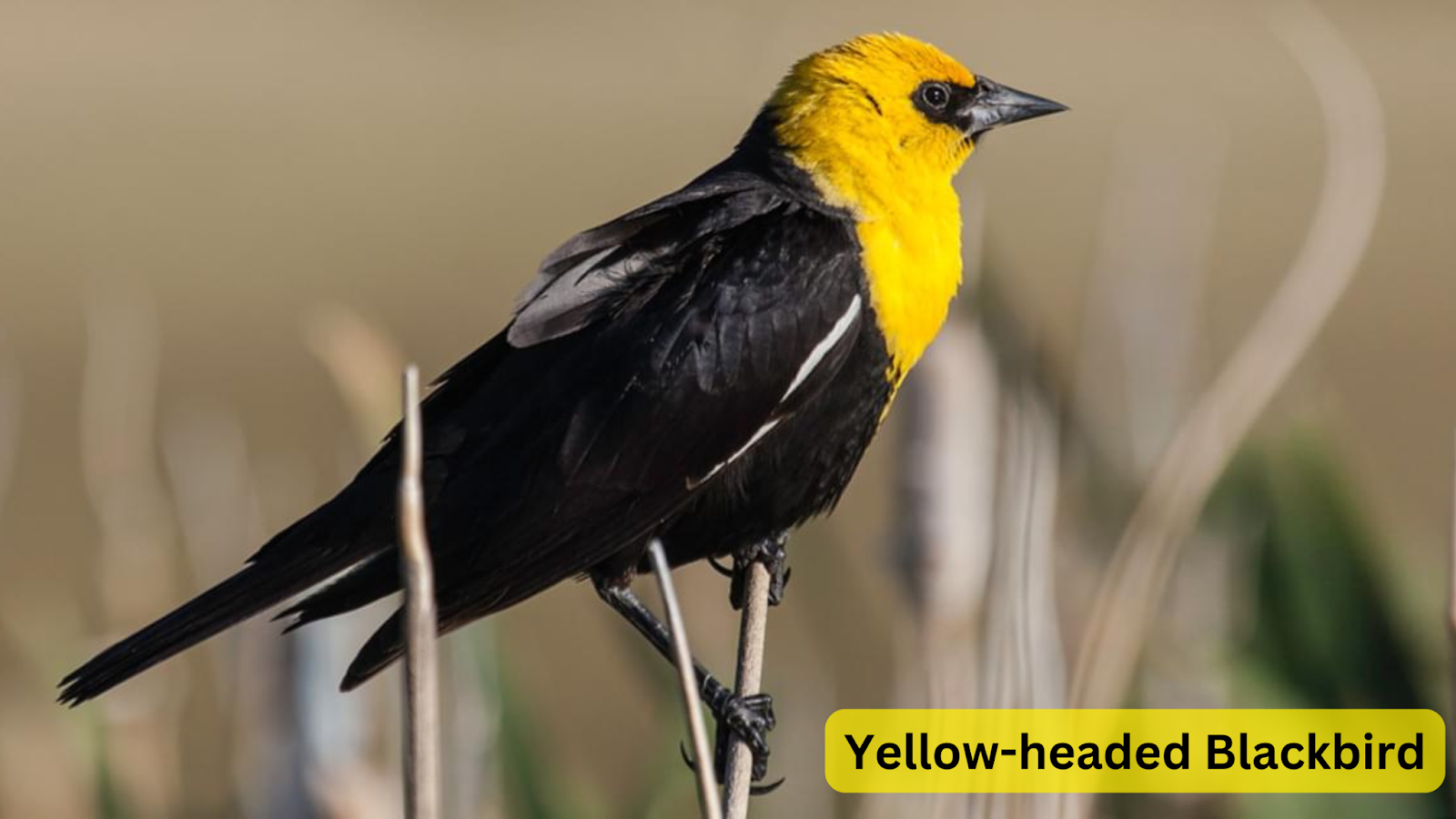
The Yellow-headed Blackbird is a distinctive bird found in North America, particularly in wetlands with dense vegetation. The adult males are striking with their black bodies and bright yellow heads. They also have prominent white wing patches that are visible in flight. Females and juveniles are more subdued in color but still have the characteristic white wing markings.
| Feature | Details |
| Scientific Name | Xanthocephalus xanthocephalus |
| Size | 8.3-10.2 inches |
| Habitat | Wetlands, marshes |
| Diet | Insects, seeds |
14. Common Magpie
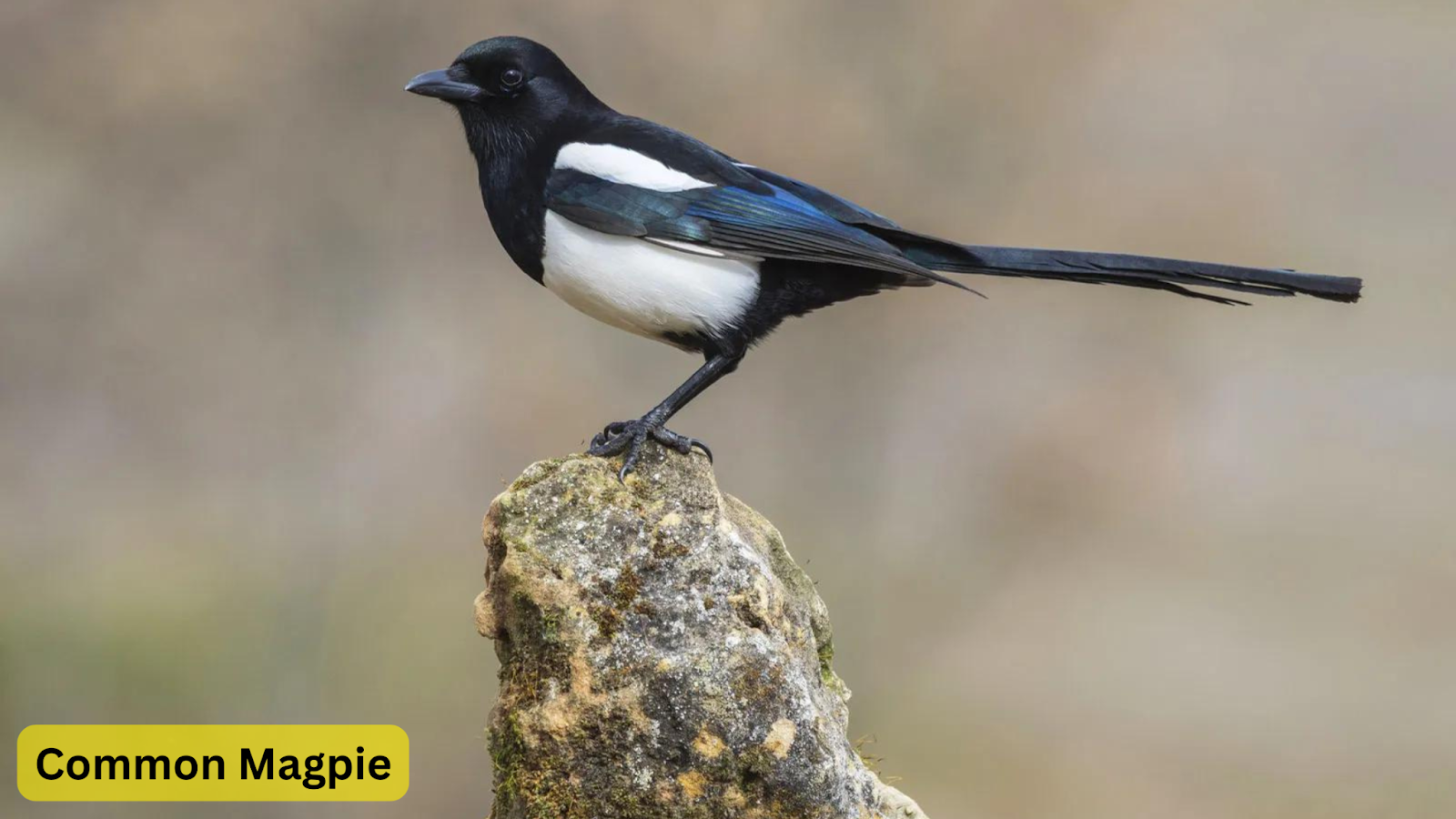
The Common Magpie, also known as the Eurasian Magpie, is a medium-sized bird with striking black and white plumage. It has a black head, wings, and tail, with white on the shoulders and belly. The white wing markings are particularly noticeable in flight. These birds are found throughout Europe, Asia, and parts of North Africa.
| Feature | Details |
| Scientific Name | Pica pica |
| Size | 16-20 inches |
| Habitat | Forests, farmlands, urban areas |
| Diet | Omnivorous, including insects, small animals, fruits, and seeds |
FAQs
Q1. What bird is black with white stripes on its wings?
Several birds fit the description of a black bird with white stripe on wing. Some common examples include the Northern Mockingbird, which is dark gray to black with white wing patches and a white belly. The Black-billed Magpie has a black body with white shoulders and wing patches. The Yellow-headed Blackbird, found in wetlands, displays a black body with white wing patches and a bright yellow head.
Q2. How can I identify a Downy Woodpecker?
The Downy Woodpecker is a small bird, measuring 5-7 inches. It features black wings with white spots and a white belly. Males have a small red patch on the back of their heads. They are commonly found in forests, woodlands, and gardens and are often recognized by their drumming behavior on trees.
Q3. Are Tricolored Blackbirds endangered?
Yes, Tricolored Blackbirds are considered endangered due to significant habitat loss. Their population has declined drastically, particularly in California, making conservation efforts crucial for their survival.
Q4. What are the distinctive features of the Black-billed Magpie?
The Black-billed Magpie has a striking appearance with a black head, wings, and tail, contrasted by white shoulders and belly. It measures 18-24 inches and is known for its intelligence and social behavior. These birds are commonly found in grasslands, woodlands, and suburban areas.
Q5. Where can I find Northern Mockingbirds?
Northern Mockingbirds are widely distributed across North America. They are often found in gardens, parks, and open areas. These birds are known for their territorial behavior and their ability to mimic the songs of other birds.
Q6. What is unique about the Yellow-headed Blackbird?
The Yellow-headed Blackbird is notable for its black body, bright yellow head, and white wing patches. It prefers habitats such as wetlands and marshes and is recognized for its harsh, raspy calls. These birds are often seen in large colonies during the breeding season.
Wrapping Up
Identifying birds like the Northern Mockingbird, Black-billed Magpie, and Yellow-headed Blackbird can significantly enhance your bird-watching experience. Understanding their unique features and behaviors not only adds to the enjoyment of observing these species but also underscores the importance of their conservation. By focusing on birds such as the black bird with white stripe on wing, you can deepen your appreciation for the diversity and beauty of avian life.