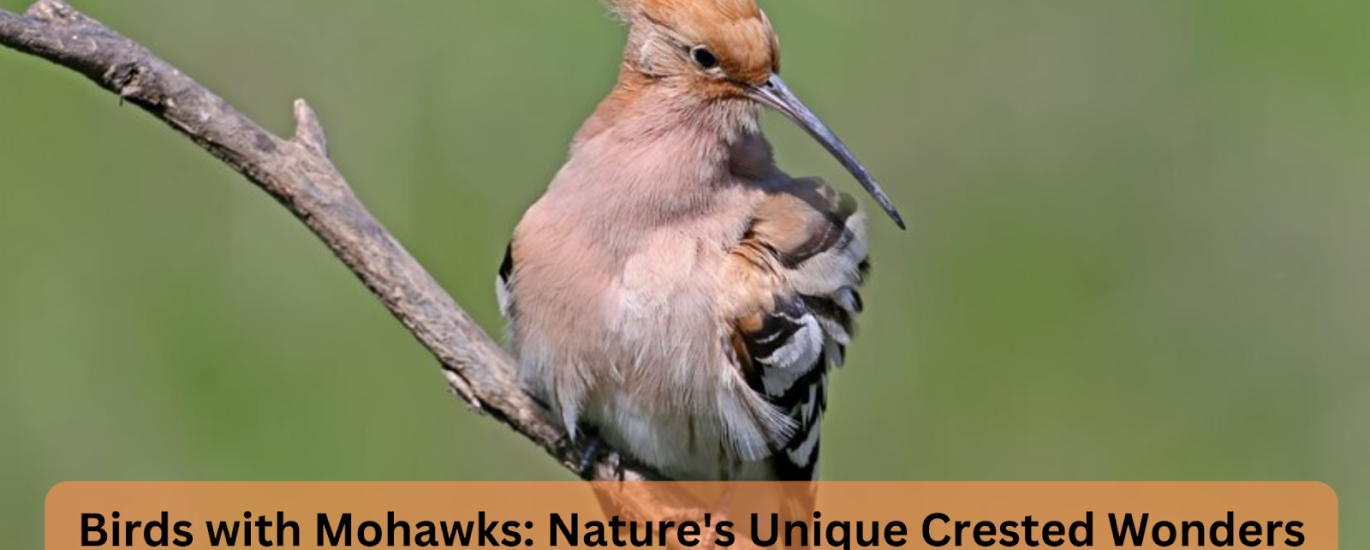
Imagine walking through a forest and spotting a bird with a striking mohawk perched on a branch, its crest standing tall and vibrant. These birds, with their unique and eye-catching crests, captivate birdwatchers and nature enthusiasts alike. Crests in birds serve various purposes, from attracting mates and deterring predators to expressing emotions and establishing territory. In this article, we look into the fascinating world of birds with mohawks.
Birds with Mohawks
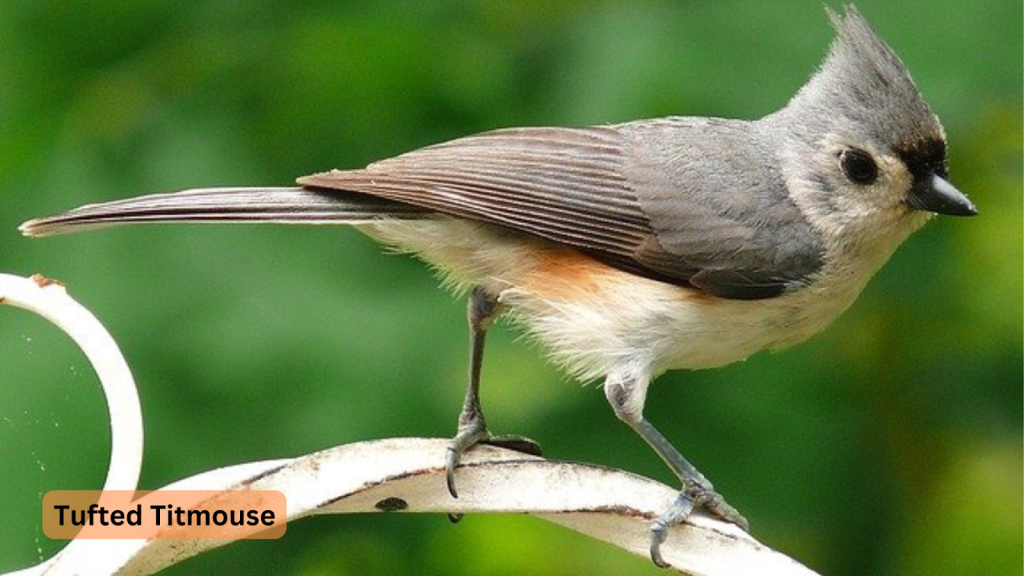
1. Tufted Titmouse
The Tufted Titmouse (Baeolophus bicolor) is a small songbird found in North America’s deciduous forests. Its gray crest is a distinguishing feature that stands up when the bird is excited or agitated. This bird’s diet includes insects, seeds, and nuts, making it a common visitor to backyard feeders. The Tufted Titmouse is a cavity nester, often using old woodpecker holes for its nests.
| Feature | Description |
| Size | about 5.5-6.3 inches in length |
| Plumage | Gray with white underparts and rusty flanks |
| Crest | Gray, stands erect when excited |
| Habitat | Deciduous forests, backyards, parks |
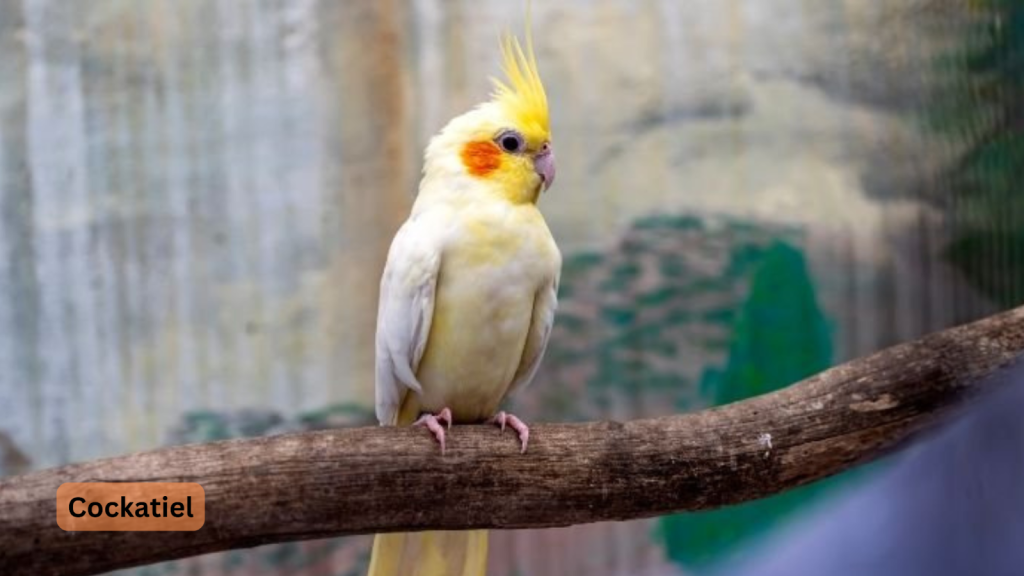
2. Cockatiel
Cockatiels (Nymphicus hollandicus) are small parrots native to Australia, known for their expressive yellow mohawks. These crests stand tall when the bird is curious or excited and flatten when the bird is scared or aggressive. Cockatiels thrive on a diet of seeds, fruits, and vegetables. They are social birds and form strong bonds with their human companions when kept as pets.
| Feature | Description |
| Size | about 12-13 inches in length |
| Plumage | Gray body with yellow face and crest, red cheeks |
| Crest | Yellow, highly expressive |
| Habitat | Various, including arid regions and bushlands |
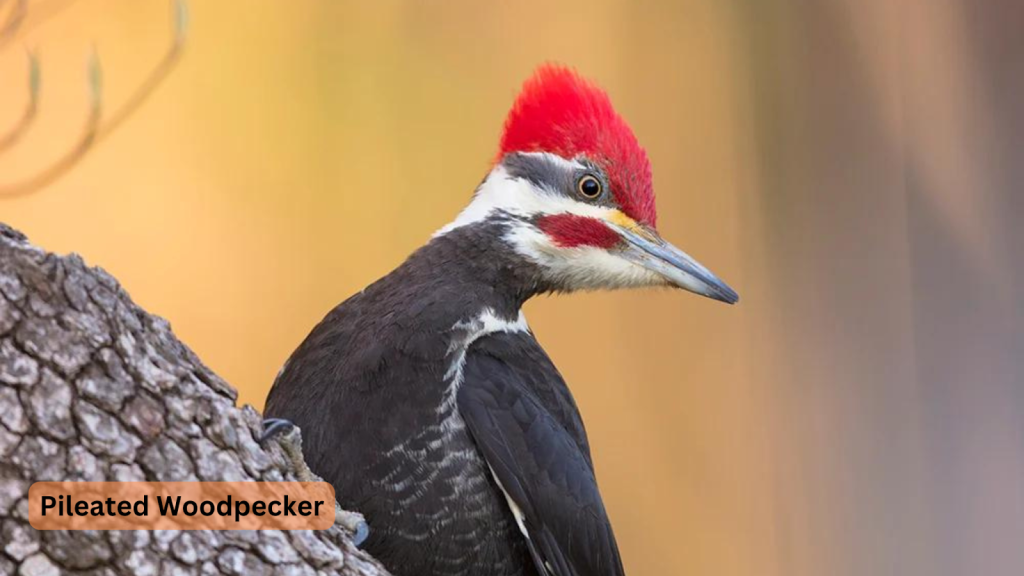
3. Pileated Woodpecker
The Pileated Woodpecker (Dryocopus pileatus) is one of North America’s largest woodpeckers, recognized by its bright red crest. It inhabits deciduous forests, where it chisels large holes in trees to find insects. The Pileated Woodpecker’s drumming is a characteristic sound of its habitat, used for communication and foraging.
| Feature | Description |
| Size | about 16-19 inches in length |
| Plumage | Black body with white stripes on face and neck |
| Crest | Bright red, distinctive cap-like appearance |
| Habitat | Deciduous forests |
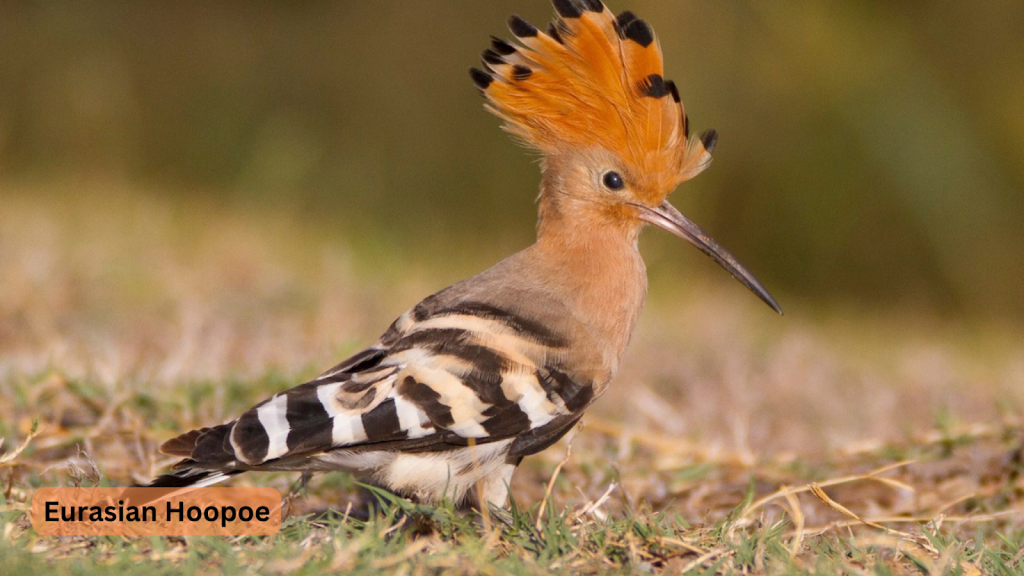
4. Eurasian Hoopoe
The Eurasian Hoopoe (Upupa epops) is easily recognized by its vibrant crest, which it can fan out in a dramatic display. This bird inhabits open landscapes across Europe, Asia, and Africa, feeding primarily on insects. The hoopoe’s distinctive call and crest are used in courtship and territorial displays.
| Feature | Description |
| Size | about 9.8-12.6 inches in length |
| Plumage | Fawn body with black-and-white wings |
| Crest | Vibrant, fan-shaped with black tips |
| Habitat | Open landscapes, grasslands, savannas |
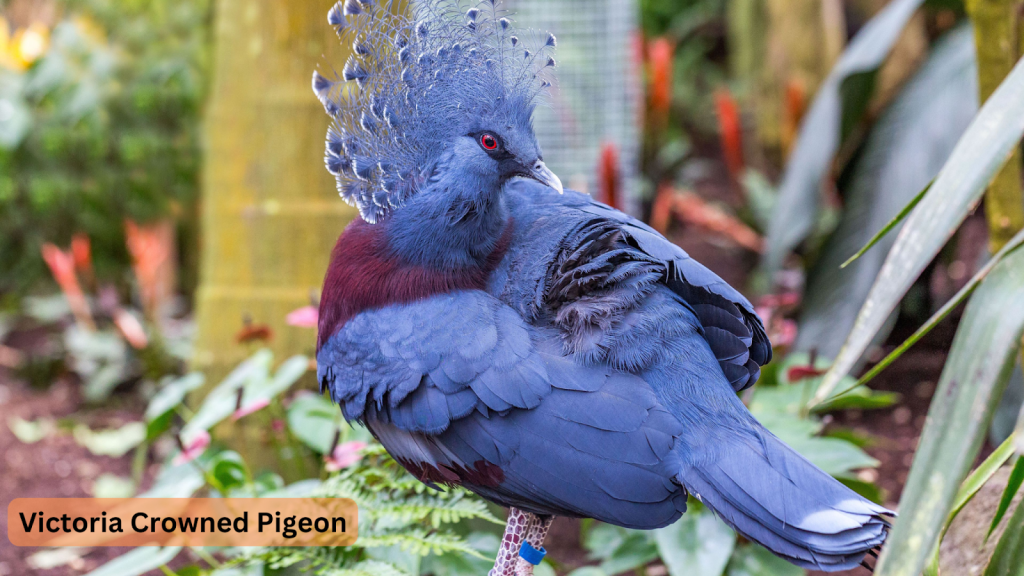
5. Victoria Crowned Pigeon
The Victoria Crowned Pigeon (Goura victoria) is a large pigeon native to New Guinea, known for its intricate, lace-like crest. These birds forage on the ground for fruits and seeds and are often seen in pairs or small groups. Their striking appearance has made them a target for hunting and habitat loss, leading to their Near Threatened status.
| Feature | Description |
| Size | about 29-30 inches in length |
| Plumage | Bluish-gray with maroon chest and red eyes |
| Crest | Intricate, lace-like |
| Habitat | Lowland and swamp forests of New Guinea |
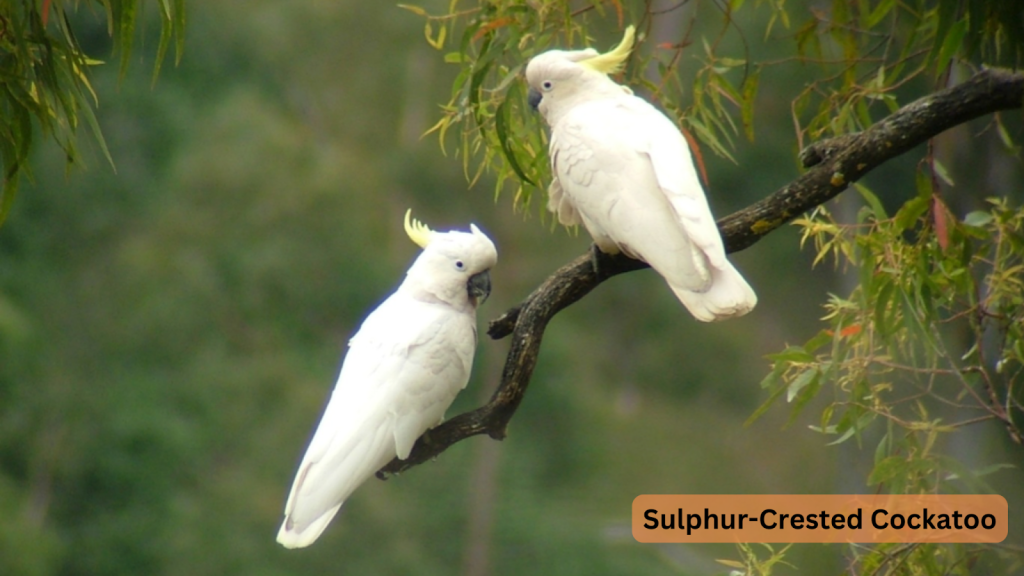
6. Sulphur-Crested Cockatoo
The Sulphur-Crested Cockatoo (Cacatua galerita) is a large, white parrot native to Australia and New Guinea. It is easily recognizable by its vibrant yellow crest, which stands erect when the bird is excited or alarmed. These birds are highly adaptable and can be found in a variety of habitats, including forests, woodlands, and even urban areas. Sulphur-Crested Cockatoos are known for their intelligence and social nature, often forming large flocks.
| Feature | Description |
| Size | about 17.5-21.5 inches in length |
| Plumage | White with a bright yellow crest |
| Crest | Yellow, stands erect when excited |
| Habitat | Forests, woodlands, urban areas |
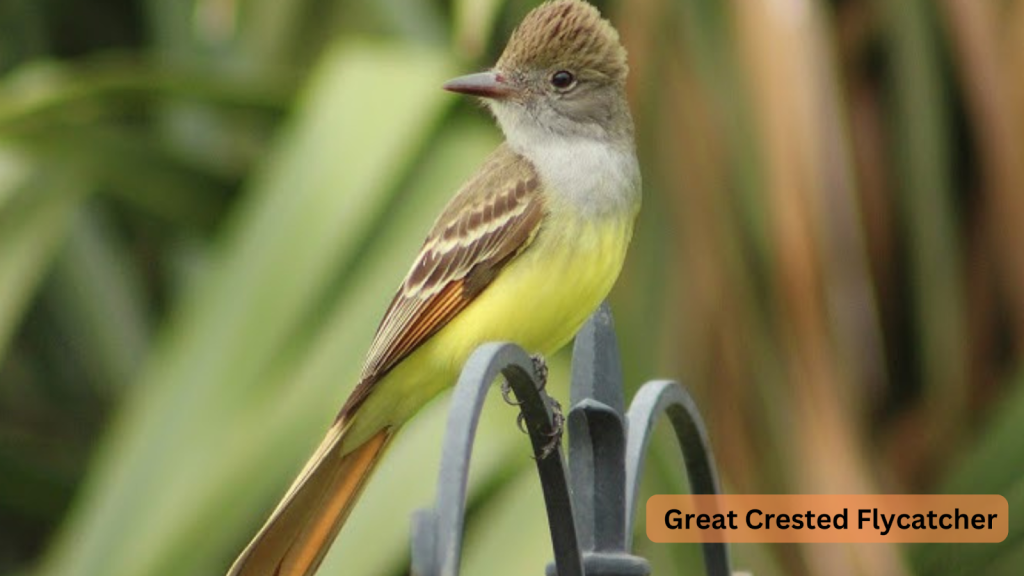
7. Great Crested Flycatcher
The Great Crested Flycatcher (Myiarchus crinitus) is a common bird found in the forests of eastern North America. It is known for its distinctive mohawk, which gives its head a squared-off appearance. These birds are insectivorous, catching insects mid-air or foraging in the tree canopy. They are also known to consume fruits and berries. Great Crested Flycatchers nest in tree cavities and often use shed snakeskin to line their nests, a unique behavior among birds.
| Feature | Description |
| Size | about 7-8 inches in length |
| Plumage | Grayish-brown with a yellow belly |
| Crest | Squared-off appearance |
| Habitat | Forests, woodlands |
8. Red-Crested Turaco
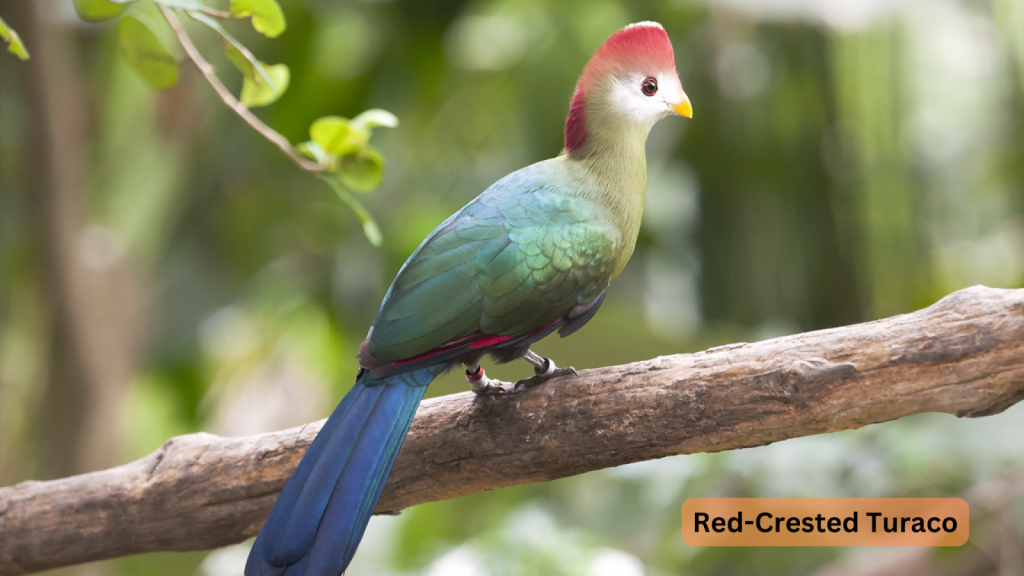
The Red-Crested Turaco (Tauraco erythrolophus) is a striking bird found in the forests of Angola. It features a bright red mohawk and a green body, making it one of the most colorful birds in its habitat. These birds are known for their loud calls and social behavior, often seen in flocks. Their diet consists mainly of fruits, but they also consume leaves and insects. Red-Crested Turacos are monogamous, and both parents participate in building the nest and raising the young.
| Feature | Description |
| Size | about 17.7-19.7 inches in length |
| Plumage | Green body |
| Crest | Bright red crest, distinctive |
| Habitat | Forests, woodlands |
9. Wood Duck
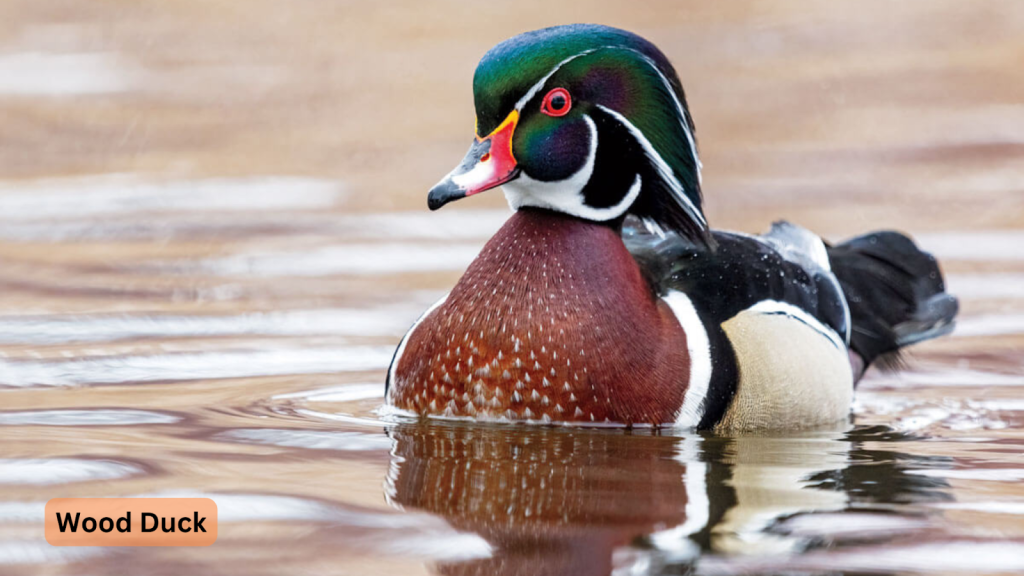
The Wood Duck (Aix sponsa) is a colorful waterfowl native to North America. Males are particularly striking with their iridescent green mohawks and bright red eyes. Wood Ducks prefer wooded swamps, marshes, and ponds, where they nest in tree cavities. Their diet includes a variety of aquatic plants, seeds, and invertebrates. Wood Ducks are known for their strong pair bonds and parental care, with both parents involved in raising the ducklings.
| Feature | Description |
| Size | Medium, about 19-21 inches in length |
| Plumage | iridescent green mohawk, colorful body |
| Crest | Iridescent green, especially in males |
| Habitat | Wooded swamps, marshes, ponds |
10. Blue Jay
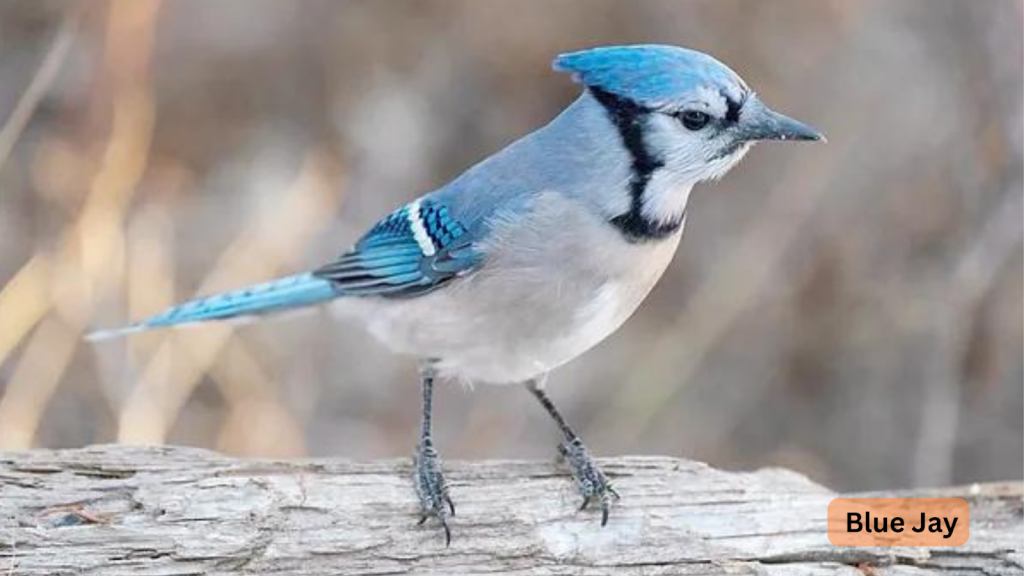
The Blue Jay (Cyanocitta cristata) is a common bird in North America, noted for its blue plumage and distinctive crest. The crest is often raised when the bird is excited or agitated. Blue Jays are highly adaptable and can be found in a variety of habitats, including forests, parks, and suburban areas. They have a varied diet that includes seeds, nuts, and insects.
| Feature | Description |
| Size | about 10-12 inches in length |
| Plumage | Blue with white and black markings |
| Crest | Blue, often raised when excited |
| Habitat | Forests, parks, suburban areas |
11. Red-breasted merganser
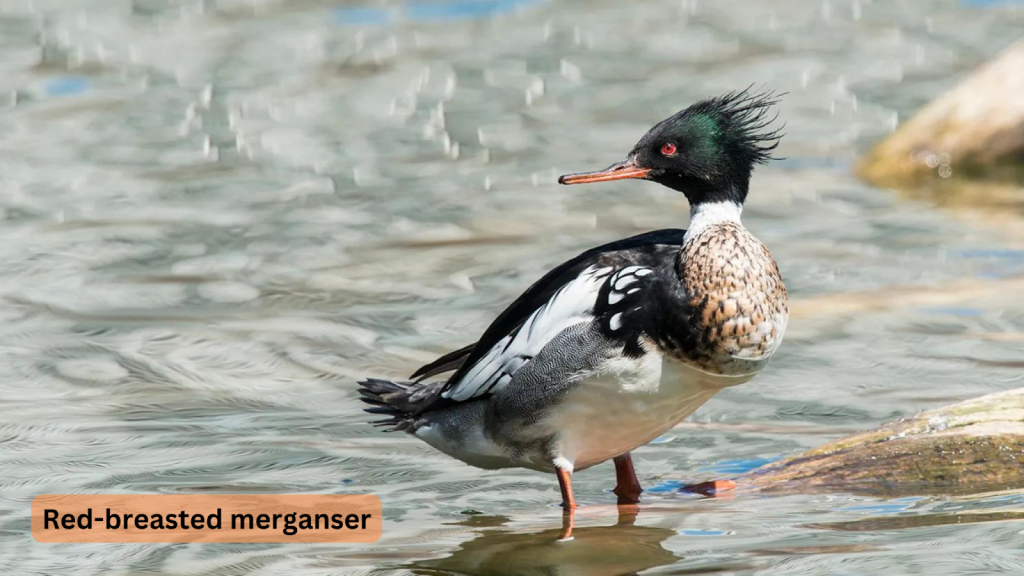
The Red-Breasted Merganser (Mergus serrator) is a type of diving duck found across North America, Europe, and Asia. Both males and females have long, shaggy crests. These ducks prefer coastal waters, lakes, and rivers, where they dive to catch fish. Their crests are particularly noticeable during the breeding season.
| Feature | Description |
| Size | about 20-24 inches in length |
| Plumage | Males: iridescent green head, Females: brownish |
| Crest | Long, shaggy |
| Habitat | Coastal waters, lakes, rivers |
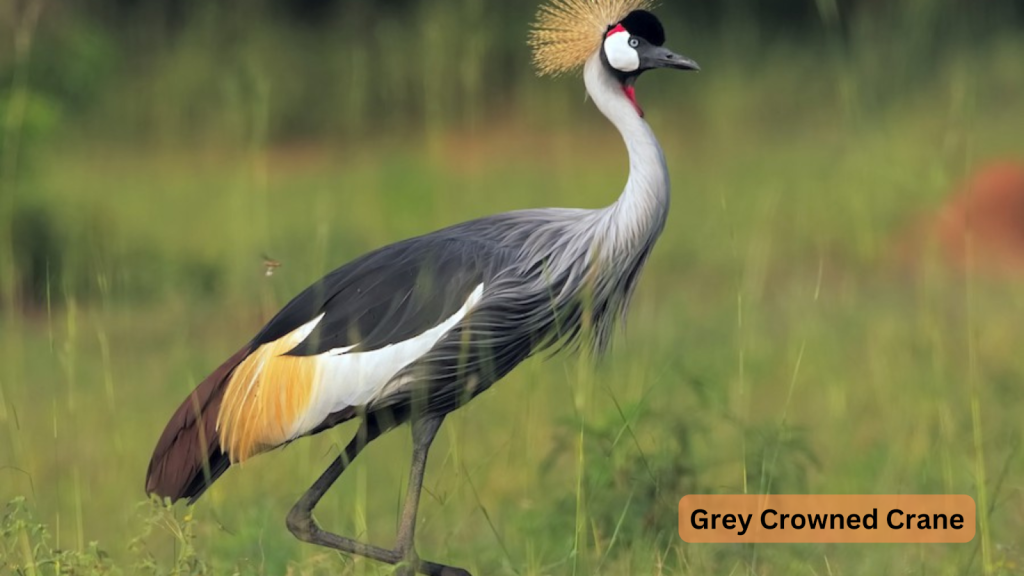
12. Grey Crowned Crane
The Grey Crowned Crane (Balearica regulorum) is native to Africa and is easily recognized by its golden, brush-like crest. These cranes are often found in wetlands and grasslands, where they feed on a variety of plant materials and small animals. The crest is used during elaborate mating dances, which are a sight to behold.
| Feature | Description |
| Size | about 3 feet tall |
| Plumage | Grey body with golden crest |
| Crest | Golden, brush-like |
| Habitat | Wetlands, grasslands |
Why Do Birds Have Crests?
Birds have crests for several functional and social reasons, varying significantly between species. Here are the primary purposes of crests:
Communication
- Emotional Signals: Crests act as visual signals to communicate a bird’s emotional state. For example, a cockatiel raises its crest when excited or curious and flattens it when scared or aggressive.
- Social Interaction: In species like the Tufted Titmouse, the crest helps communicate within social groups, coordinating activities and establishing hierarchies.
Mating Displays
- Attracting Mates: Birds use their crests during courtship displays to attract mates. The Eurasian Hoopoe fans its crest to show off, indicating good health and genetic fitness.
- Courtship Rituals: Birds like the Red-Crested Turaco and Victoria Crowned Pigeon display their crests in courtship dances to impress and secure mates.
Territorial Displays
- Defending Territory: Crests can make birds appear larger and more intimidating to rivals, helping to deter intruders. The Pileated Woodpecker uses its crest in aggressive territorial displays.
Camouflage and Deception
- Breaking Up Silhouette: Crests help break up a bird’s silhouette against the environment, making it harder for predators to spot them.
- Distraction: Some crests act as decoys, drawing attention away from vulnerable parts of the bird’s body. The Great Crested Flycatcher’s crest can distract predators during confrontations.
Species Recognition
- Identifying Species: Crests help birds recognize members of their species, crucial for social bonding and mating. Birds like the Northern Cardinal and Blue Jay use their distinct crests for quick identification.
Thermoregulation
- Temperature Control: In some species, crests aid in thermoregulation by providing additional surface area to dissipate heat, beneficial in hot climates.
Crests enhance birds’ ability to survive and thrive, serving multiple purposes that support their social and ecological roles. Observing these crests provides insight into the complex lives of these fascinating creatures.
FAQs
Q1. What is the purpose of a crest in birds?
Crests serve various purposes, including communication, mating displays, territorial defense, camouflage, species recognition, and thermoregulation. They help birds convey emotions, attract mates, defend territories, and recognize species members.
Q2. How do birds use crests to communicate?
Birds use crests to express emotions and intentions. For example, a cockatiel raises its crest when excited or curious and flattens it when scared or aggressive. This visual signal helps convey feelings to other birds and humans.
Q3. Why are crests important in mating displays?
Crests play a crucial role in mating displays by attracting potential mates. Bright and elaborate crests indicate good health and genetic fitness, making the bird more appealing. Birds like the Eurasian Hoopoe and Victoria Crowned Pigeon use their crests during courtship rituals.
Q4. Do all birds with crests use them for the same purpose?
No, different species use crests for various reasons. While some use them primarily for mating displays, others may use them for territorial defense, species recognition, or even camouflage and deception.
Wrapping Up
Birds with mohawks are fascinating examples of nature’s diversity, showcasing crests used for communication, mating displays, territorial defense, and more. These unique features not only enhance their survival but also provide insight into their complex behaviors and social structures. Observing these birds in their natural habitats or as pets reveals the many ways crests play a vital role in their lives. Whether for attracting a mate or warding off rivals, the mohawk is a powerful tool in the avian world.