

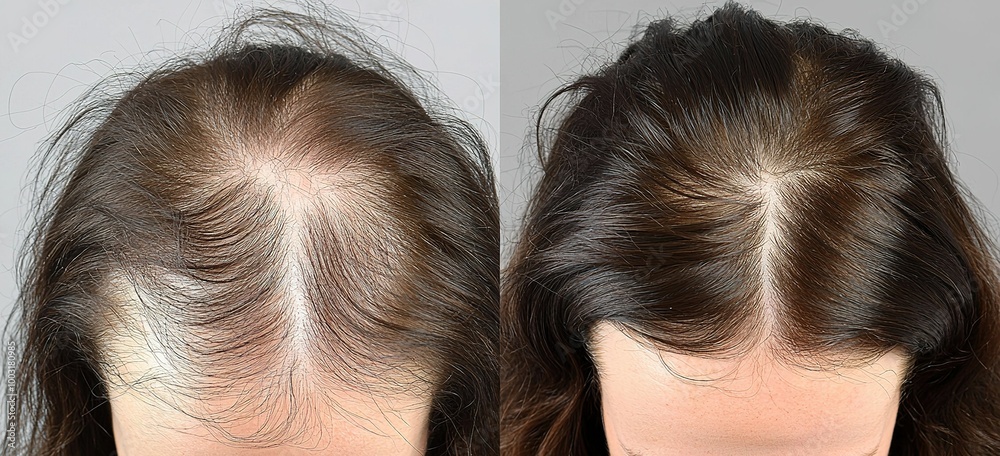
For generations, hair loss was seen as primarily a “male issue.” But in recent years, dermatologists, trichologists, and specialists worldwide have noticed a powerful and alarming shift: a silent, rapidly growing epidemic of hair thinning among women. This thinning is often invisible in its early stages, subtle enough to be overlooked, and slow enough to be dismissed as normal seasonal shedding. By the time it becomes noticeable, the damage is already deeper, and much harder to reverse.
Women today are experiencing hair thinning earlier, faster, and more often than previous generations. And unlike men, whose hair loss patterns are more predictable, women tend to lose hair diffusely across the scalp, making it even harder to recognise until density has significantly reduced. From genetic factors to hormonal shifts, from modern lifestyles to nutrient deficiencies, the underlying causes of this silent thinning are varied and interconnected.
This topic has become even more important with the rising number of women seeking early diagnosis, medical therapy, and solutions like hair transplantation in Mumbai when thinning becomes advanced or long-standing. Early awareness helps women take action long before the condition becomes emotionally overwhelming.
This article explores why silent hair thinning among women is on the rise, what signs often go unnoticed, and what women can do to regain control of their scalp and hair health.
Why Women Are Experiencing More Thinning Than Ever Before
Hair thinning in women has always existed, but several modern factors have intensified the problem dramatically.
Stress Levels Have Skyrocketed
Chronic stress affects hair follicles more than many people realise. High-stress lifestyles disrupt hormonal balance, increase cortisol levels, and trigger conditions like telogen effluvium, a phase where hair prematurely enters the shedding cycle. Many women dealing with work pressure, relationship stress, or caregiving responsibilities experience delayed shedding, sometimes weeks after a stressful event, making the cause difficult to identify.
Hormonal Fluctuations Are More Common
Women go through multiple hormonal phases throughout life – puberty, menstruation, pregnancy, postpartum changes, perimenopause, and menopause. Even small hormonal imbalances can dramatically affect hair density. Postpartum thinning has become one of the most common concerns, with women reporting heavy shedding after childbirth due to falling estrogen levels.
Conditions such as PCOS (polycystic ovarian syndrome), thyroid disorders, and insulin resistance are also increasing among younger women, and each creates disruptions that directly impact follicle behaviour.
Nutrient Deficiencies Are Becoming Widespread
Modern diets are often calorie-rich but nutrient-poor. Many women, especially those with irregular eating patterns or restrictive diets, experience deficiencies in:
- Iron
- Vitamin D
- Vitamin B12
- Zinc
- Omega-3 fatty acids
- Protein
Even mild deficiencies can weaken hair roots, reduce growth rate, and increase shedding. Iron deficiency alone is one of the leading causes of diffuse hair thinning in premenopausal women.
Hair Practices Damage More Than They Help
Women often over-style, over-treat, or overheat their hair. Regular use of hairdryers, curling irons, chemical smoothening, keratin treatments, frequent colouring, high-tension hairstyles, and harsh shampoos can cumulatively weaken follicles. These habits cause breakage and conceal true thinning, making it seem like a hairstyling issue when the problem is actually health-related.
Environmental Pollution Has Intensified
Pollution particles settle on the scalp, cause inflammation, clog follicles, and accelerate damage. Women living in cities with hard water, poor air quality, and high humidity often experience chronic scalp imbalance that contributes to thinning over time.
Why Female Hair Thinning Often Goes Undetected
Silent thinning is particularly dangerous because it creeps in slowly. Women usually attribute minor changes to stress, hair products, or seasonal variations. Unlike men, who typically notice receding hairlines or crown balding, women usually experience:
- Widening of the part line
- Reduced volume
- Thinner ponytail
- Hair that feels “lighter”
- More visible scalp under bright light
Because the pattern is diffuse rather than patchy, it allows thinning to progress unnoticed. Many women discover significant hair loss only when comparing old photos or when a hairdresser points it out.
The Emotional Weight of Silent Thinning
Hair is deeply tied to a woman’s identity. Throughout history, long, thick hair has been linked to femininity, attractiveness, and self-expression. When women begin to lose hair, even subtly, it creates emotional distress that often goes unspoken.
Common emotional responses include:
- Growing insecurities
- Reduced confidence in social situations
- Avoiding photos
- Feeling older than one’s age
- Increased anxiety or frustration
- Fear of rapid progression
Women often hesitate to speak about their thinning to friends or partners due to embarrassment or fear of being dismissed. Many silently try home remedies, switch shampoos repeatedly, and delay seeking professional help.
The silence makes the experience even heavier.
Early Signs Women Should Never Ignore
Early detection can prevent or slow future thinning. Women should pay attention to:
- Hair shedding more than 100–150 strands daily
- Noticeable hair fall during washing or brushing
- A thinner ponytail
- More visible scalp around the parting
- Increased hair breakage
- Dryness or itchiness indicates scalp imbalance
- Reduced density around the temples
These signs are often the earliest indicators of hormonal, nutritional, or genetic issues.
Finding the Right Diagnosis
Silent thinning requires a proper medical evaluation because guessing the cause can waste time and worsen the problem. Most specialists recommend:
- Blood tests (iron, ferritin, vitamin D, B12, zinc, thyroid, hormones)
- Scalp analysis
- Lifestyle and diet evaluation
- Medical history review
- Genetic tendencies
Many women who visit Bloom Hair Transplant discover that their thinning wasn’t caused by just one factor but a combination of nutritional deficiencies, hormonal fluctuations, scalp inflammation, and genetic predisposition. Comprehensive diagnosis is the key to long-term improvement.
Treatment Options for Women Experiencing Thinning
Treatment depends on the cause, severity, and how early the thinning is detected.
1. Nutritional correction
A personalised approach to iron, protein, and vitamin support can produce visible improvement within months.
2. Medical therapies
- Minoxidil (topical or oral)
- Peptide-based serums
- Anti-androgen medications (if needed)
- DHT blockers for women with androgen excess
These must be monitored by a doctor, particularly for women dealing with hormonal issues.
3. Regenerative treatments
PRP (Platelet-Rich Plasma) and GFC (Growth Factor Concentrate) help strengthen follicles, improve density, and slow thinning.
4. Scalp care routines
Gentle cleansing, exfoliation, and balancing treatments help maintain a healthy scalp environment.
5. Long-term strategies
Some women experiencing advanced thinning or irreversible miniaturisation eventually explore surgical options. Modern techniques such as FUE, DHT, and Sapphire FUE offer natural results even for diffuse thinning.
Why the Rise of Silent Thinning Should Be Taken Seriously
Hair thinning is often dismissed as a cosmetic concern, but its emotional, psychological, and social impact is significant. Women experiencing thinning often develop lower self-esteem, heightened stress, and persistent worry. More importantly, untreated thinning can reach a stage where follicles stop responding to medical therapy altogether.
Early diagnosis and intervention are crucial. The sooner a woman understands the cause, the sooner she can protect her follicle health and prevent long-term deterioration.
Why Early Awareness Matters
Silent hair thinning in women is more common and more emotionally challenging than many realise. Modern lifestyles, hormonal fluctuations, nutrient deficiencies, stress, and genetics all contribute to a gradual decline in density that often goes unnoticed until it has progressed significantly. But with the right diagnosis, targeted treatment, and consistent scalp care, thinning can be slowed, managed, or even reversed.
Women no longer need to struggle alone. Science-backed treatments and compassionate care make it possible to restore not just hair, but confidence and emotional well-being.